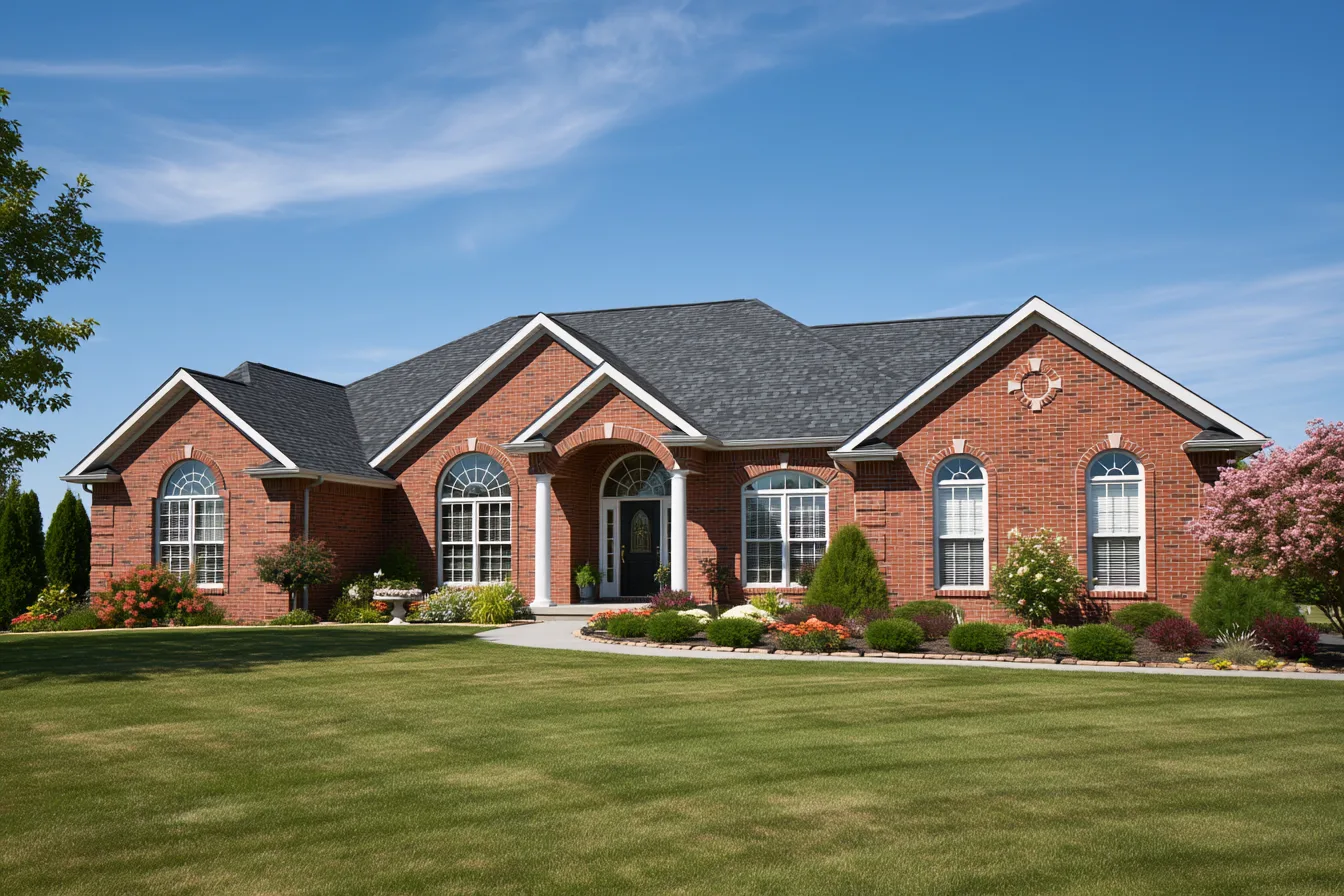
Roof Replacement
Renew the covering and the roof-system details it depends on.
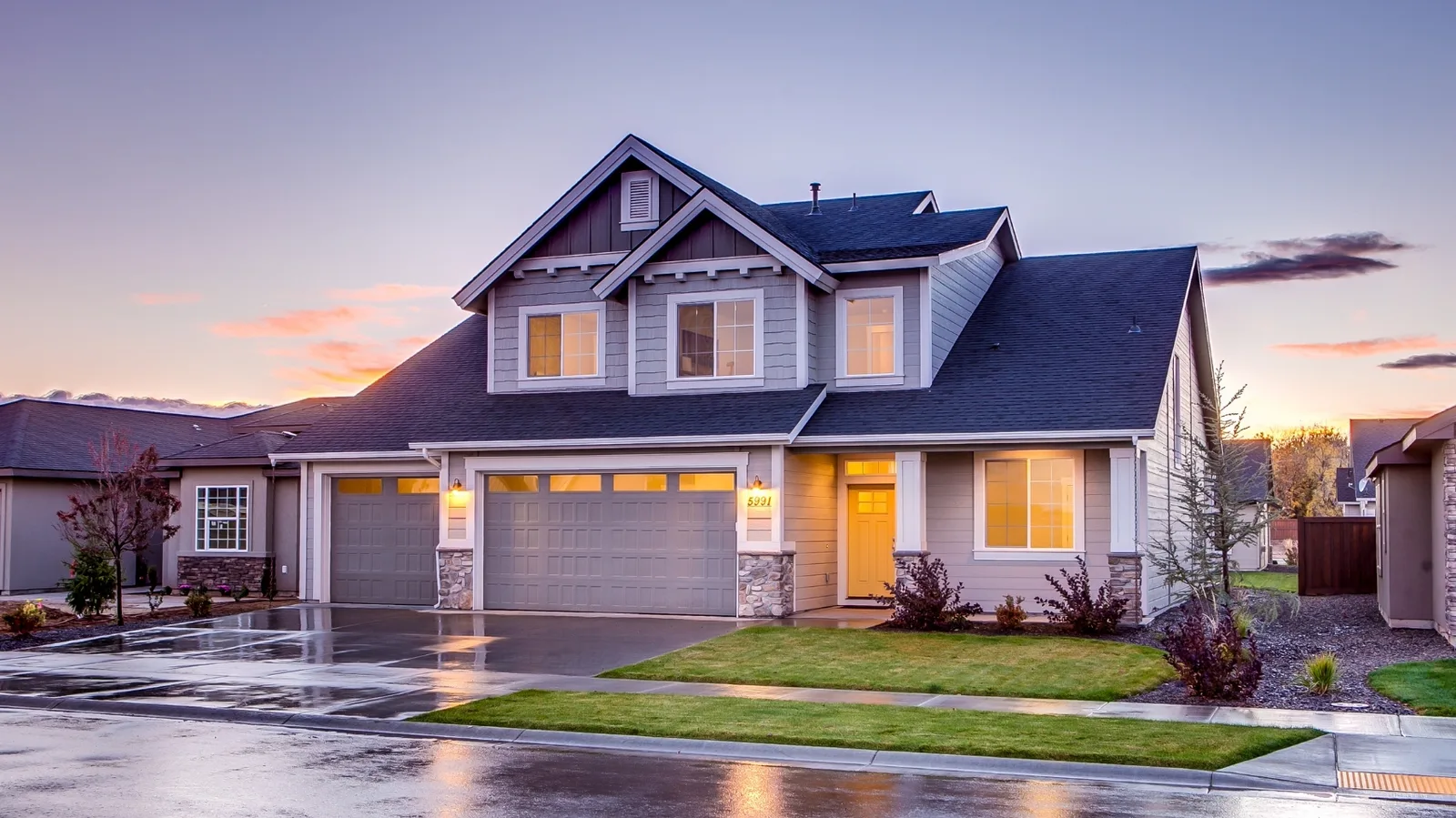
A leak, storm damage and a worn-out roof can lead to different kinds of work. Our roofing services help Shawnee homeowners and building owners understand those differences before choosing a repair or replacement.
Tell us what is happening at the property. A free roof inspection gives the conversation somewhere solid to start.
Free roof inspections. A roofer walks the roof and helps explain the work it needs.
Renew the covering and the roof-system details it depends on.
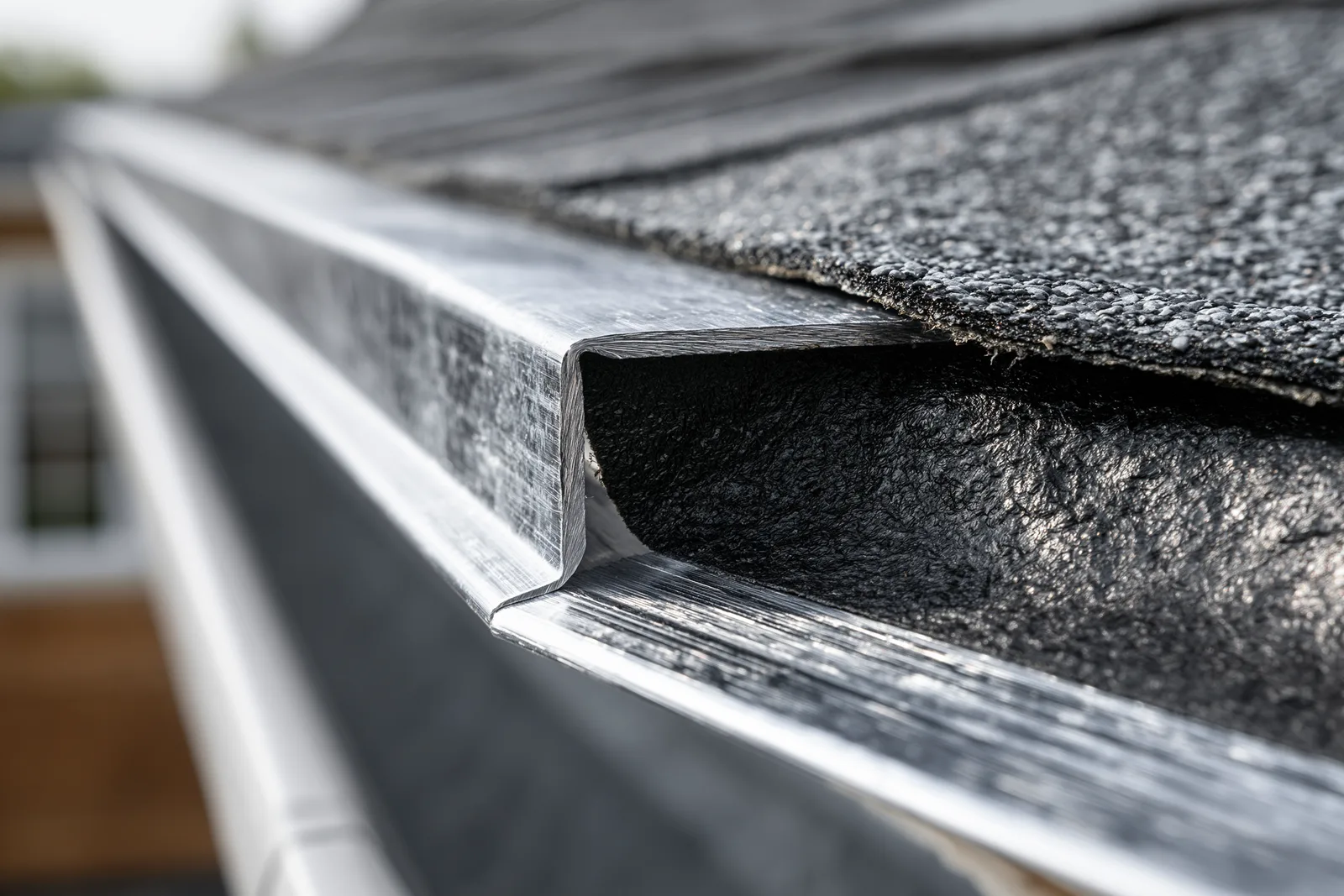
Correct a defined defect with sound connections to the roof around it.
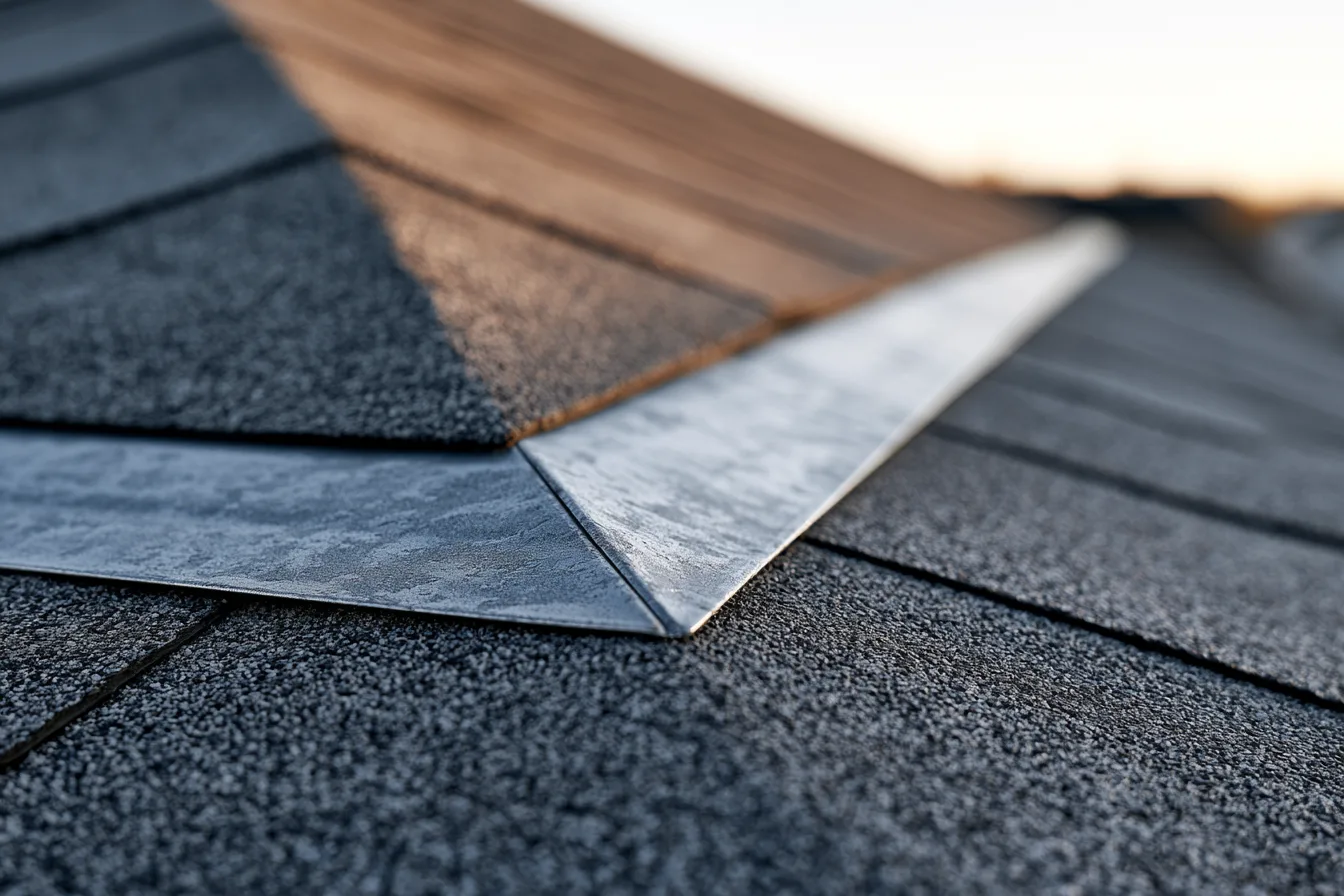
Start with a free roof walk and a closer view of the covering and details.
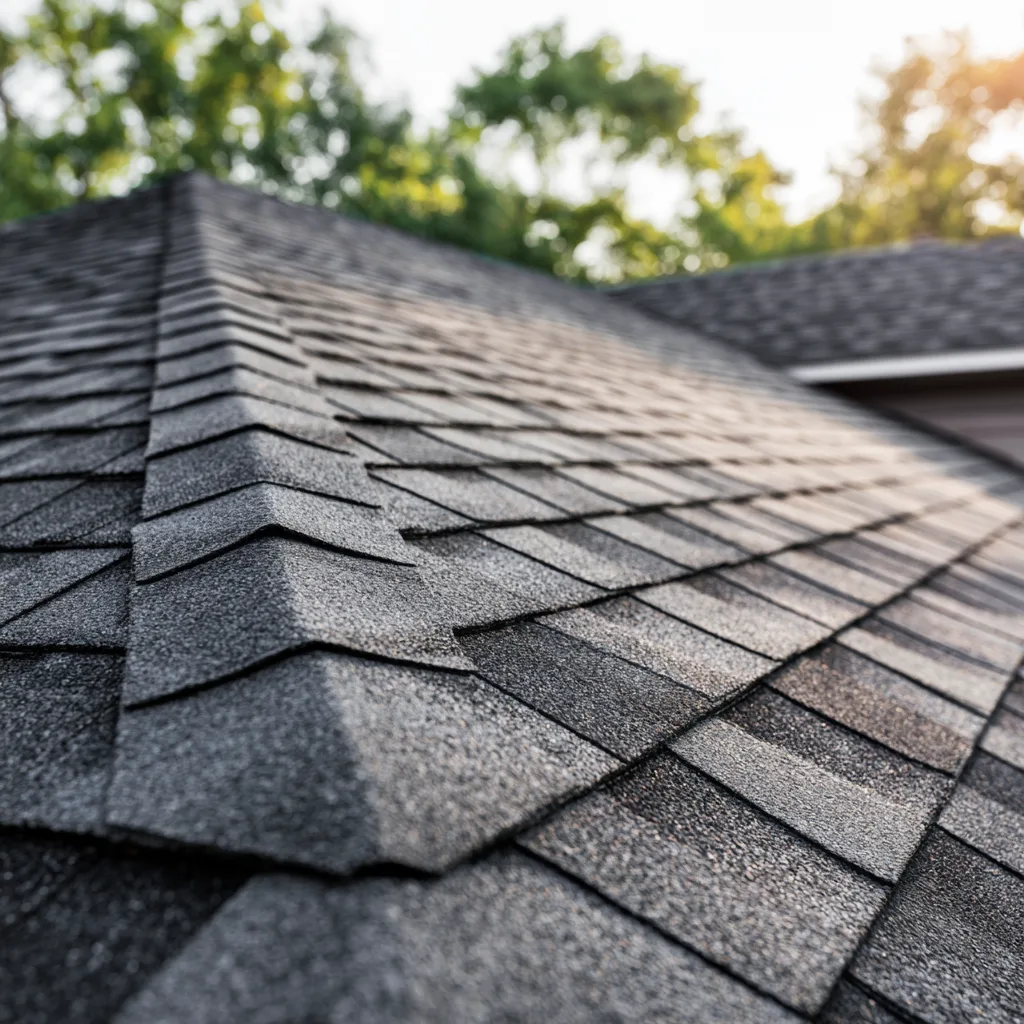
Follow the likely water path to the opening that needs repair.
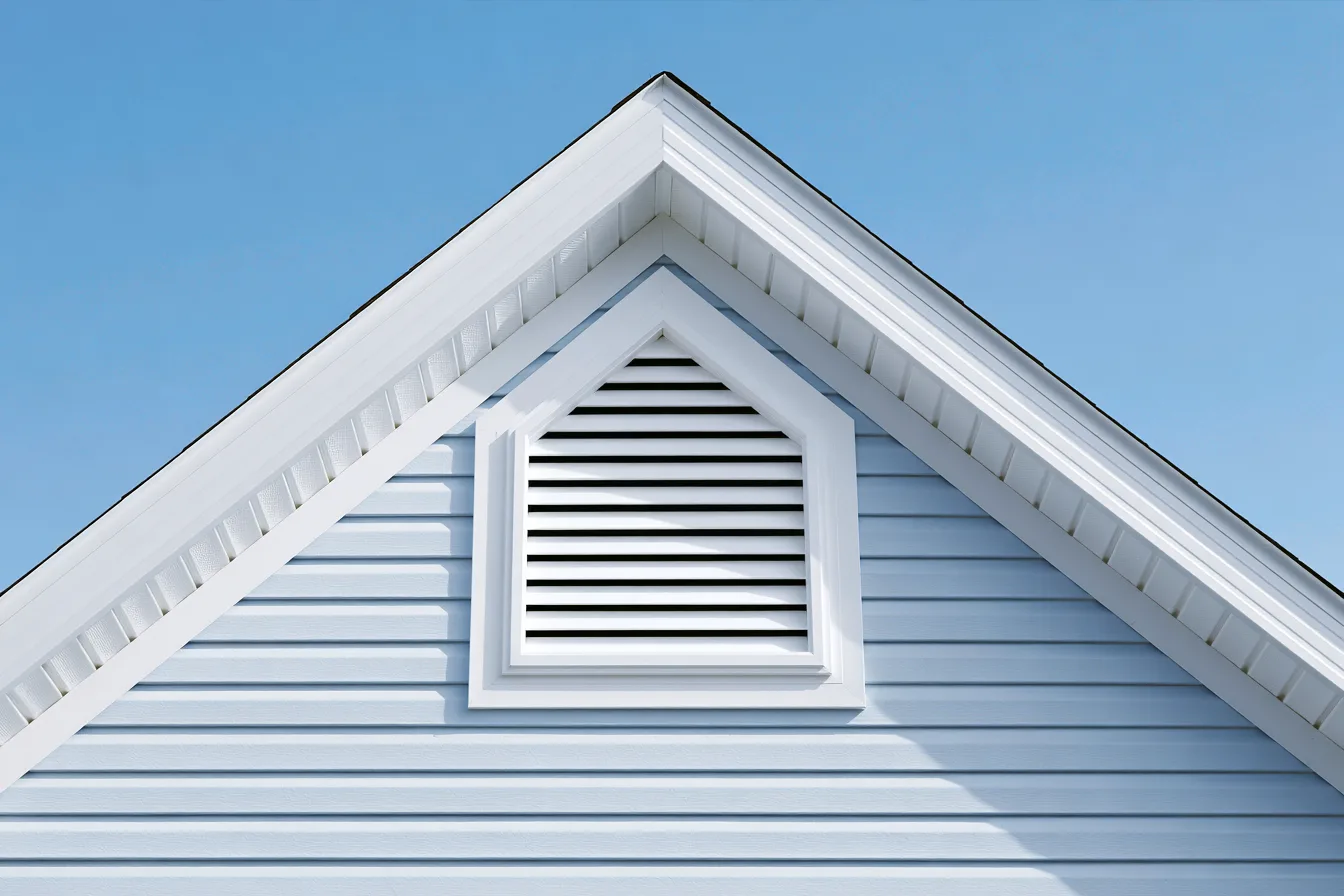
Separate urgent safety and temporary protection from permanent repairs.
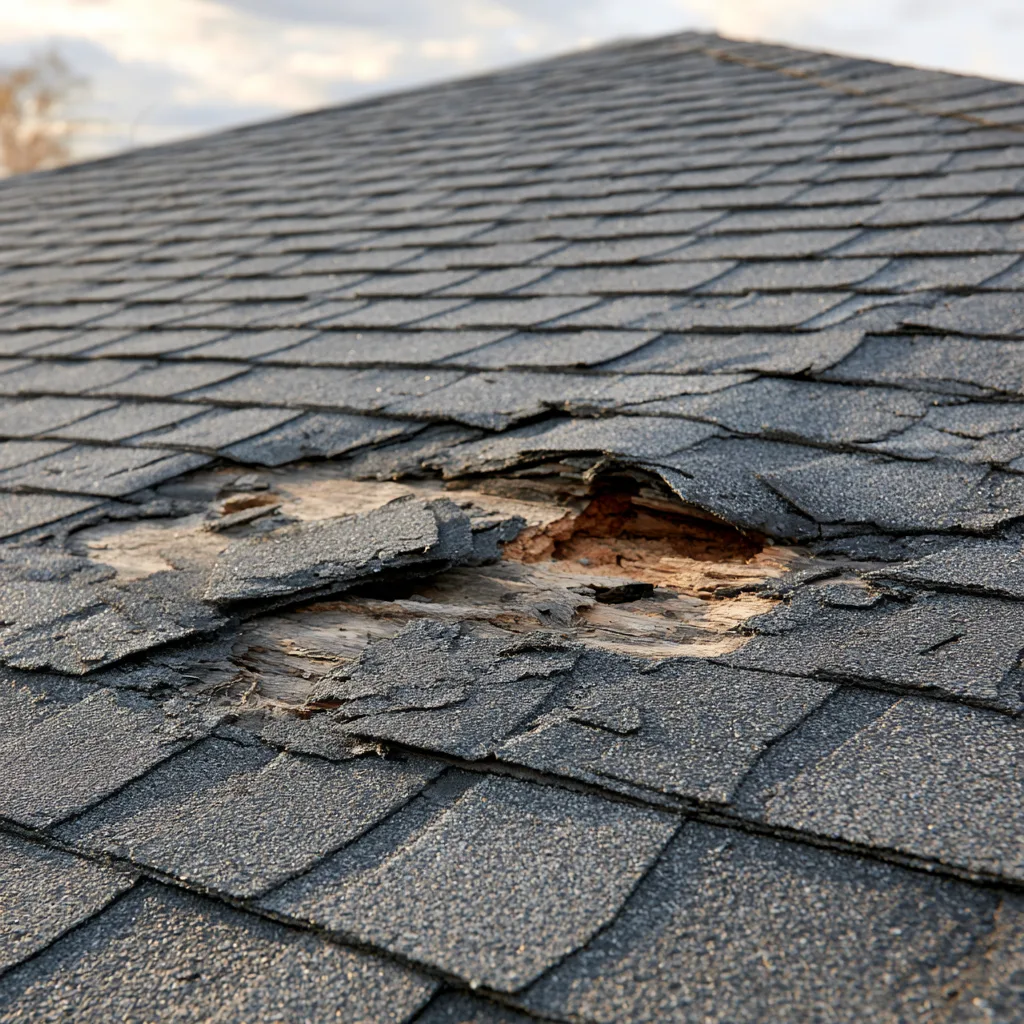
Assess the actual roof after hail, wind or damaged details.
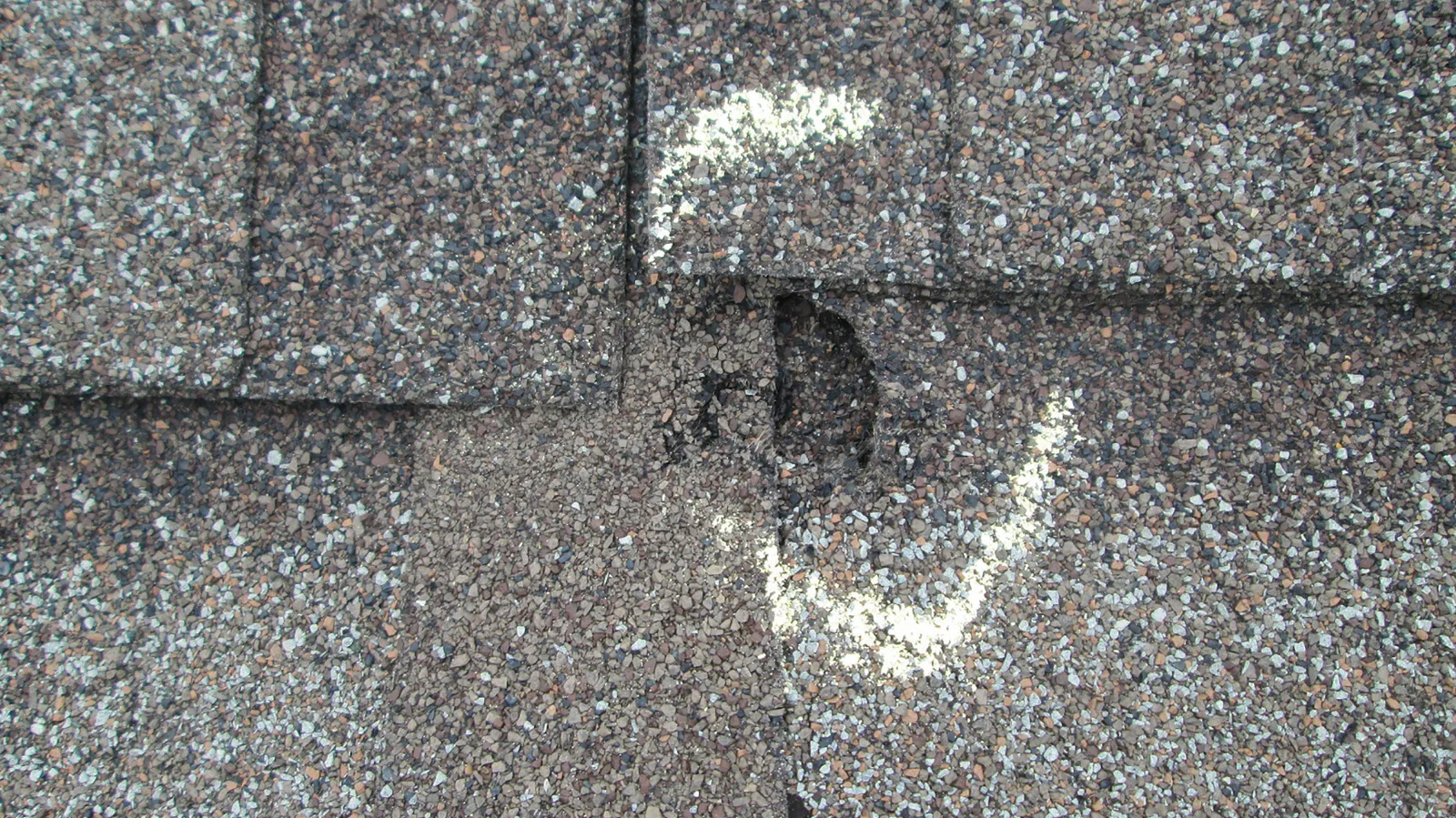
Understand affected shingles, components and compatible repair options.
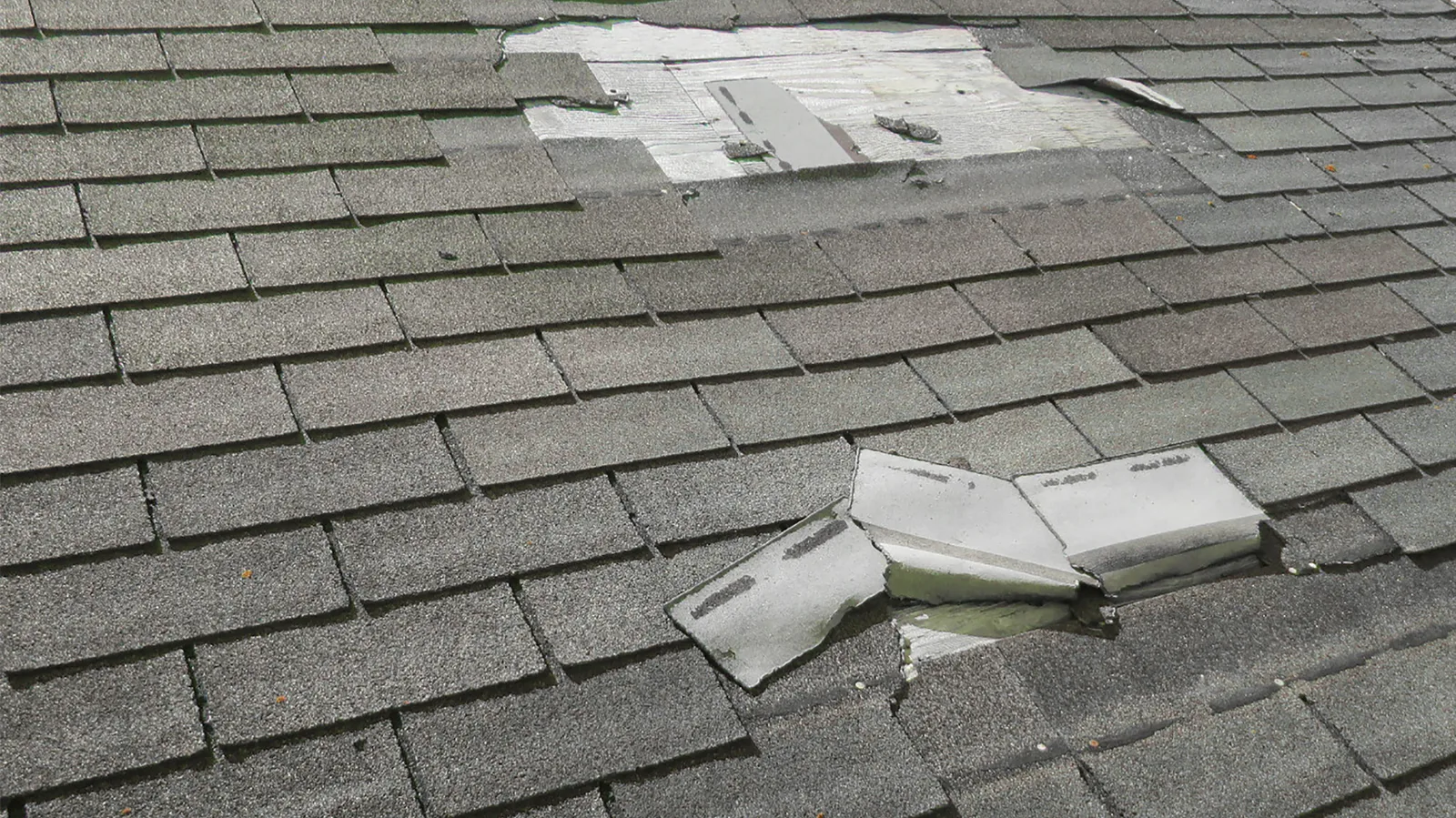
Address lifted roofing, disturbed edges and damaged connections.
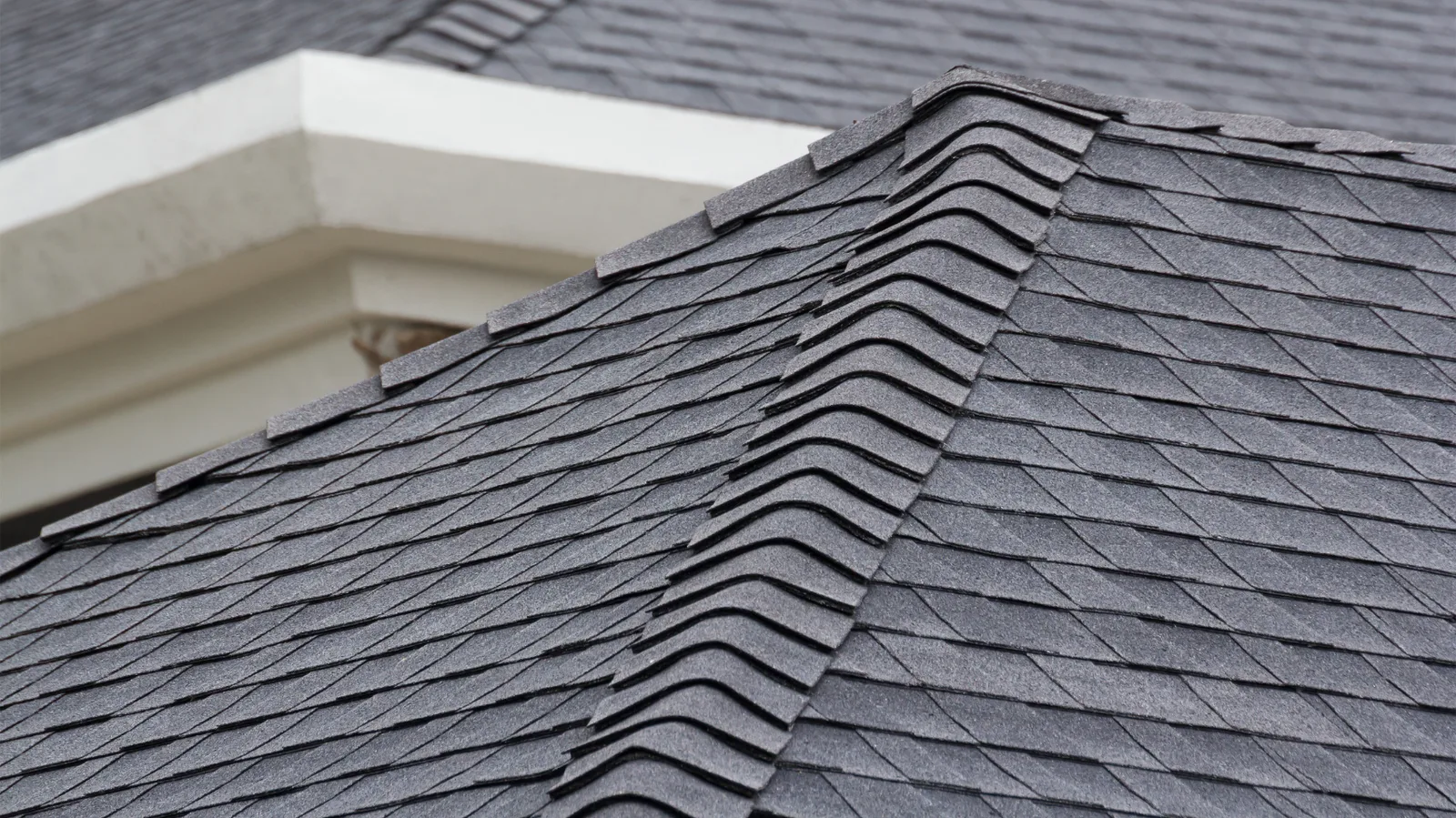
Restore water-shedding joints at walls, chimneys and roof openings.
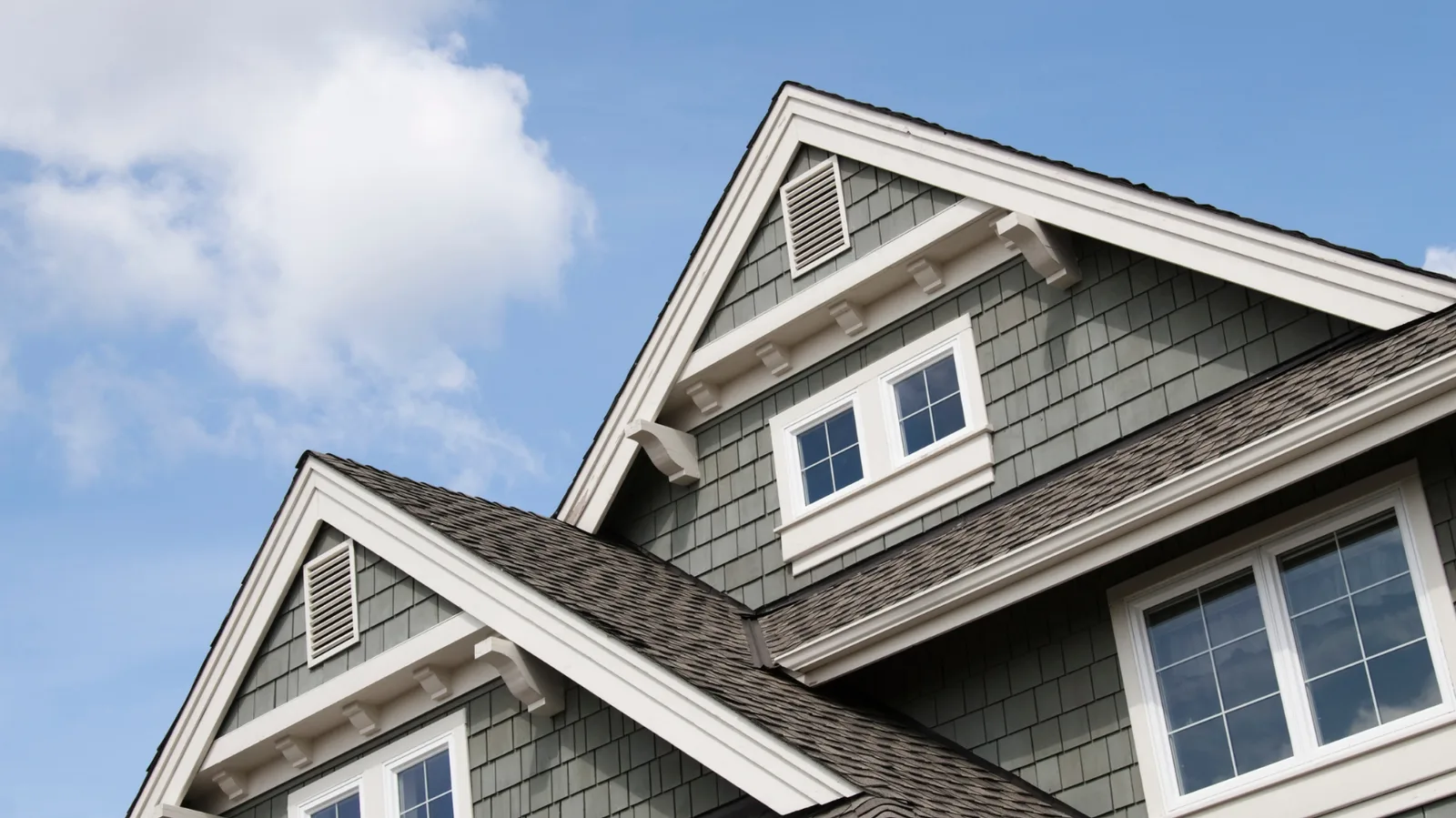
Compare covering choices, installation and repair compatibility.
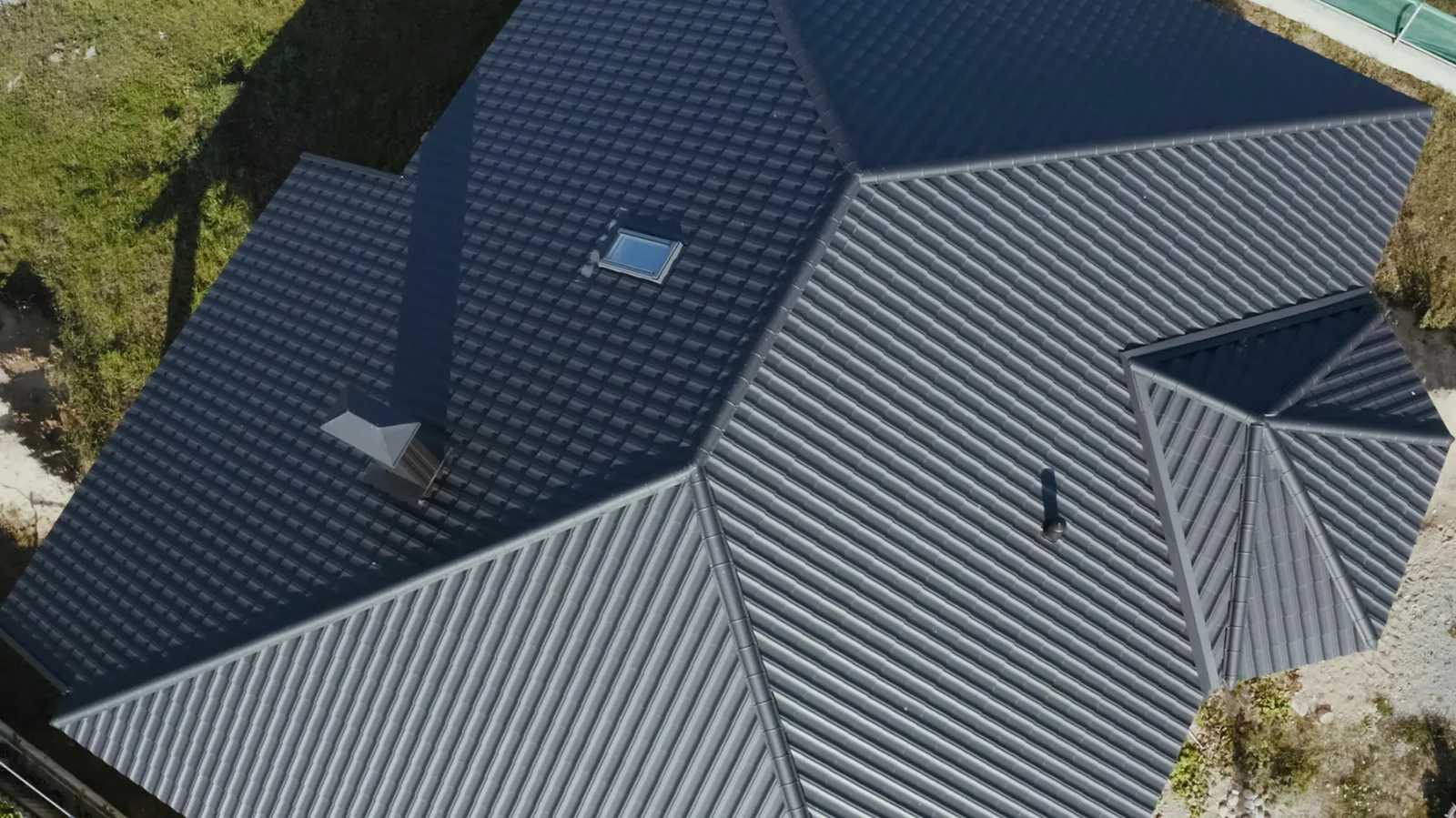
Plan panel seams, fasteners, movement and roof details together.
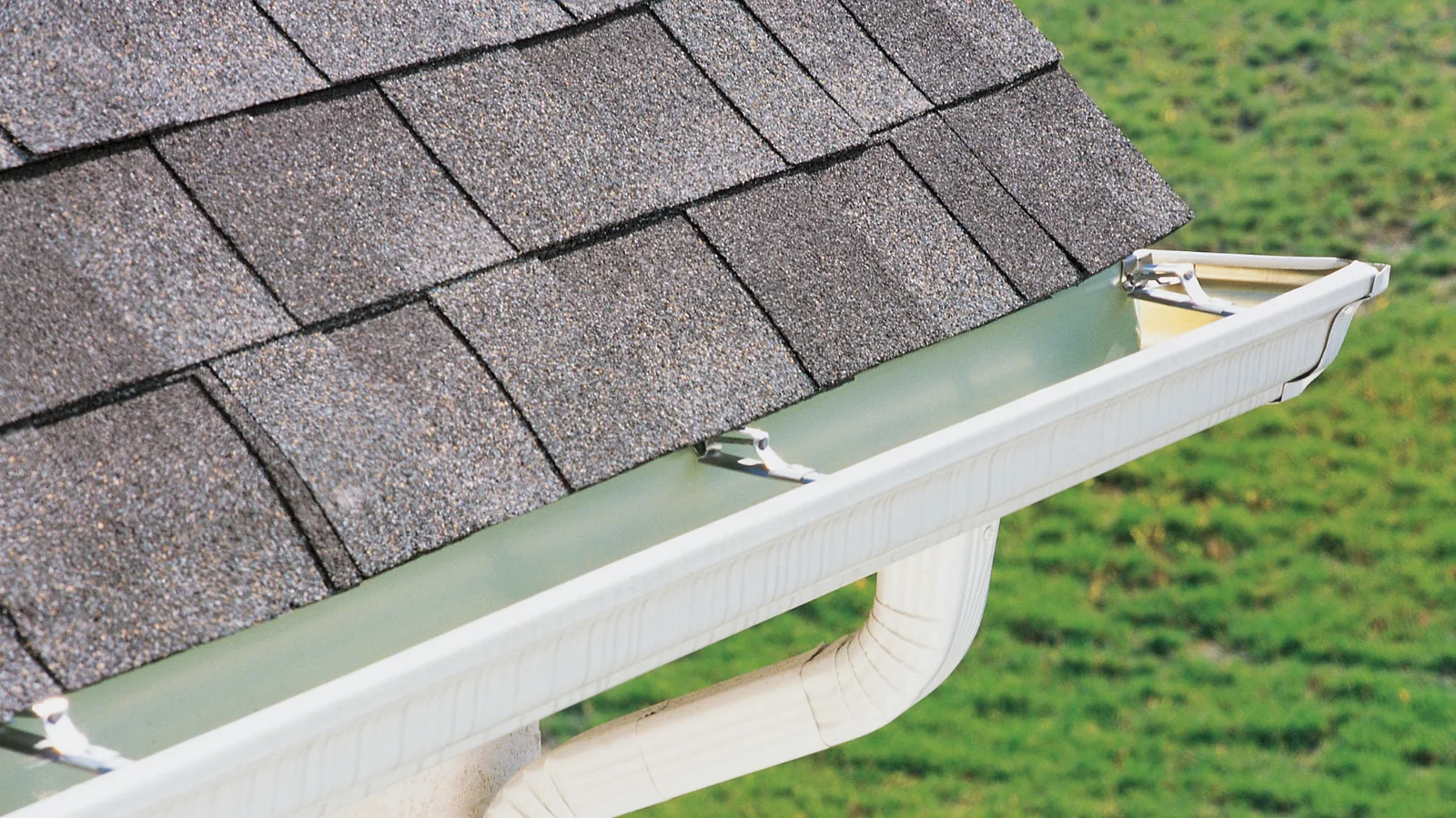
Connect channels, outlets, downspouts and discharge into a working runoff path.
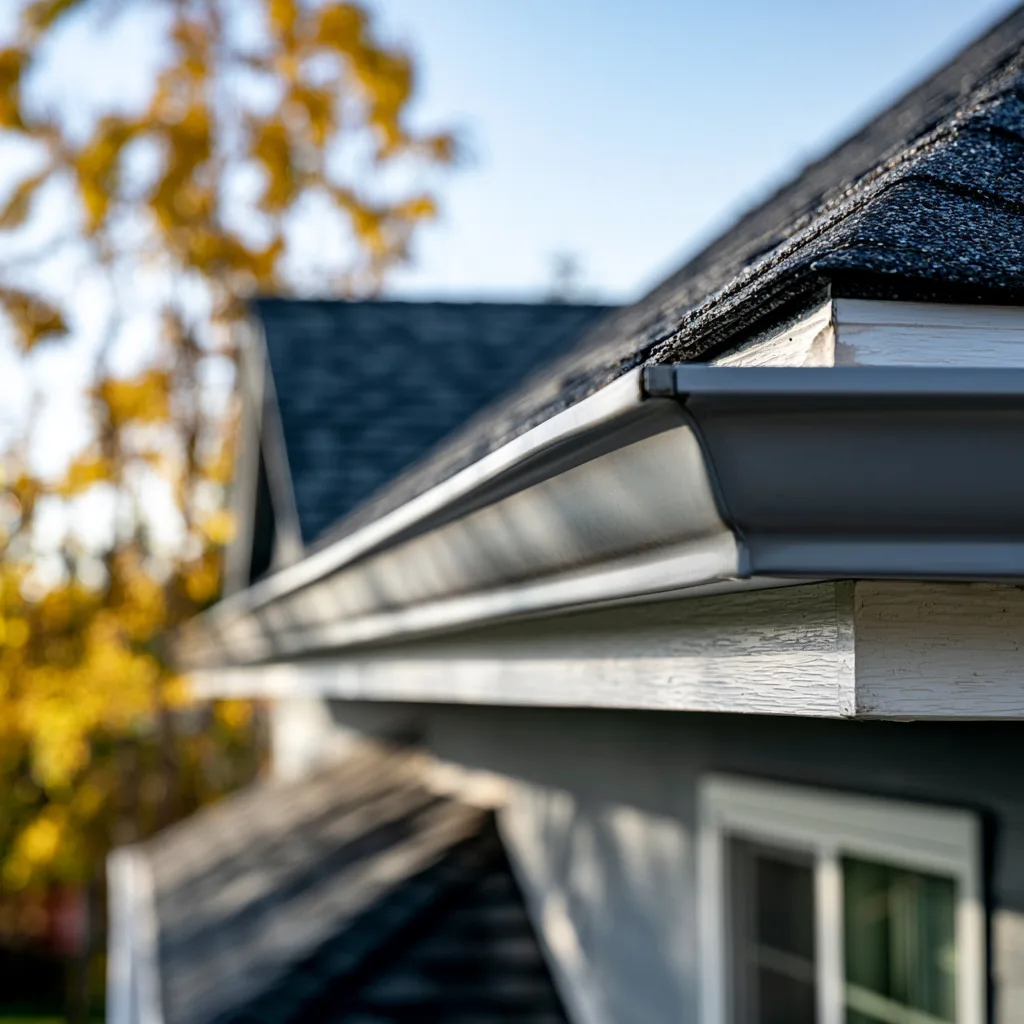
Repair roof-edge trim and backing while addressing the water entry.
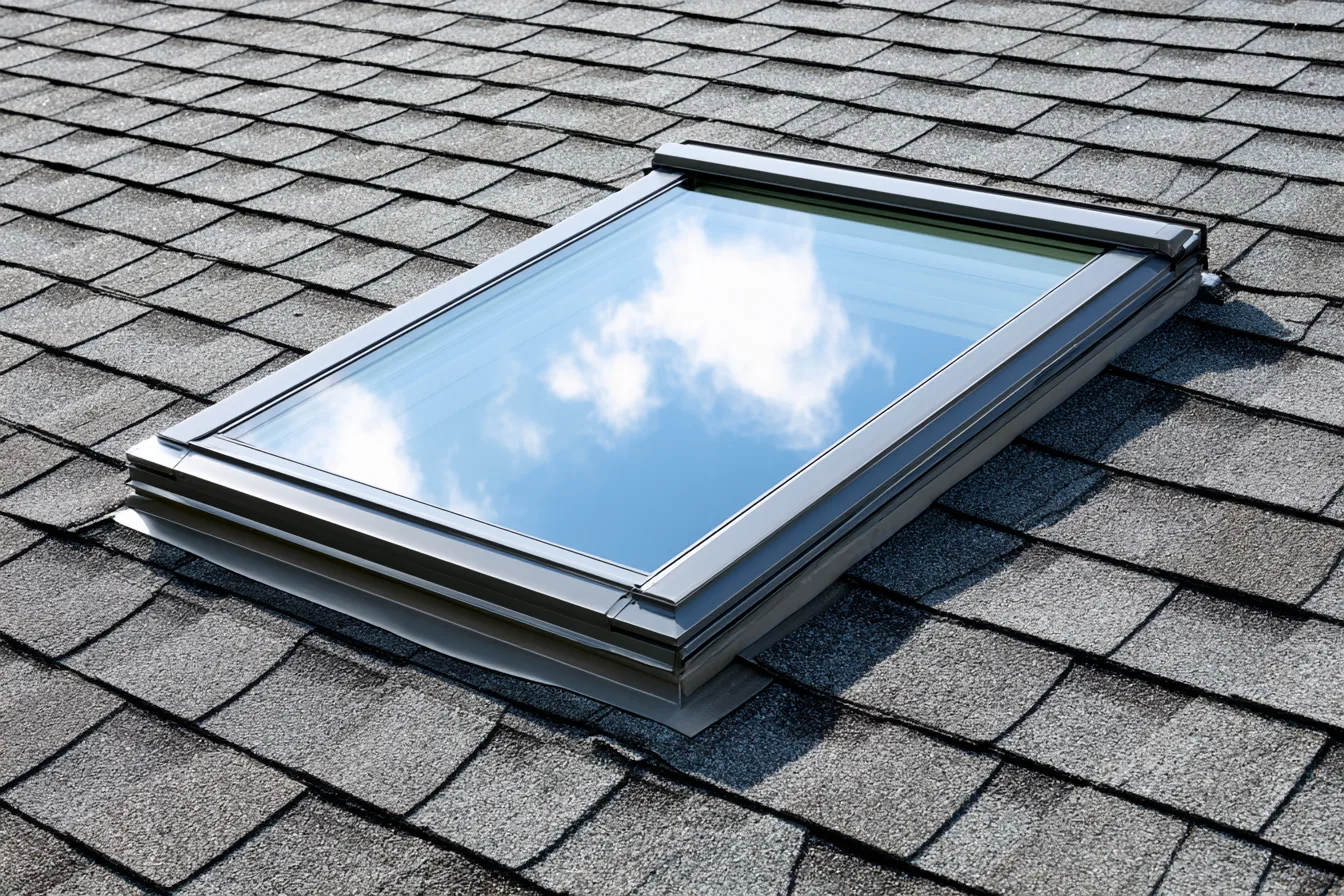
Separate the unit, flashing and underlying roof condition.
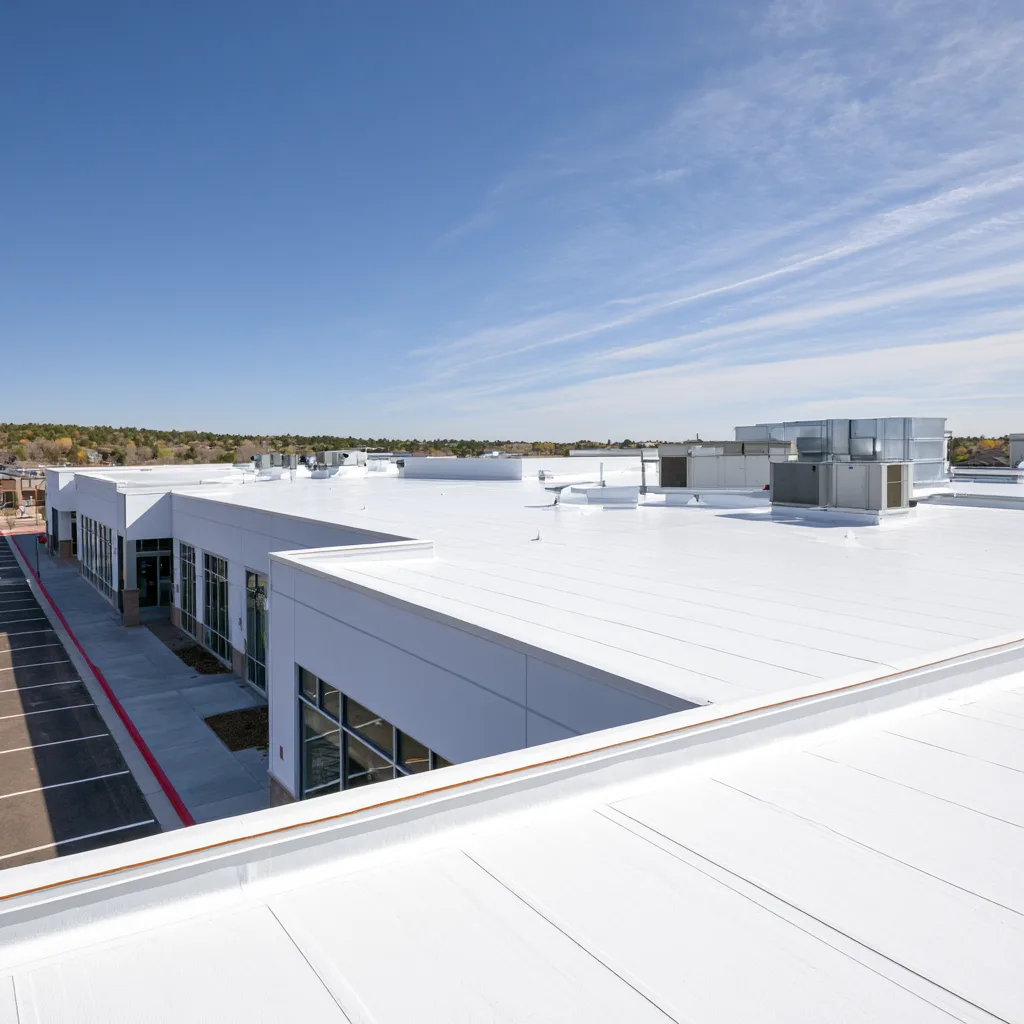
Plan the roof around system condition, drainage and building use.
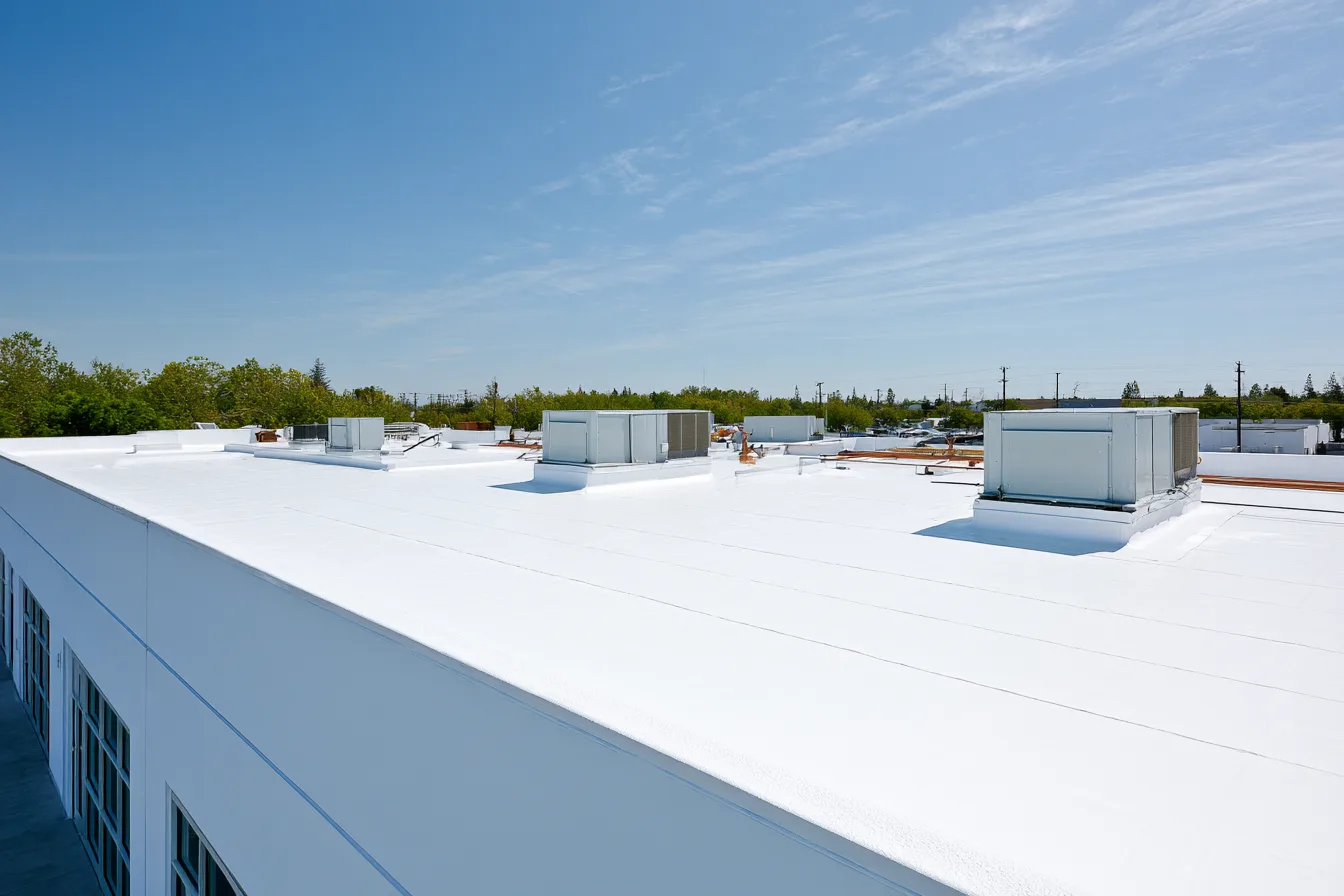
Repair defined membrane, seam, drain and curb problems compatibly.
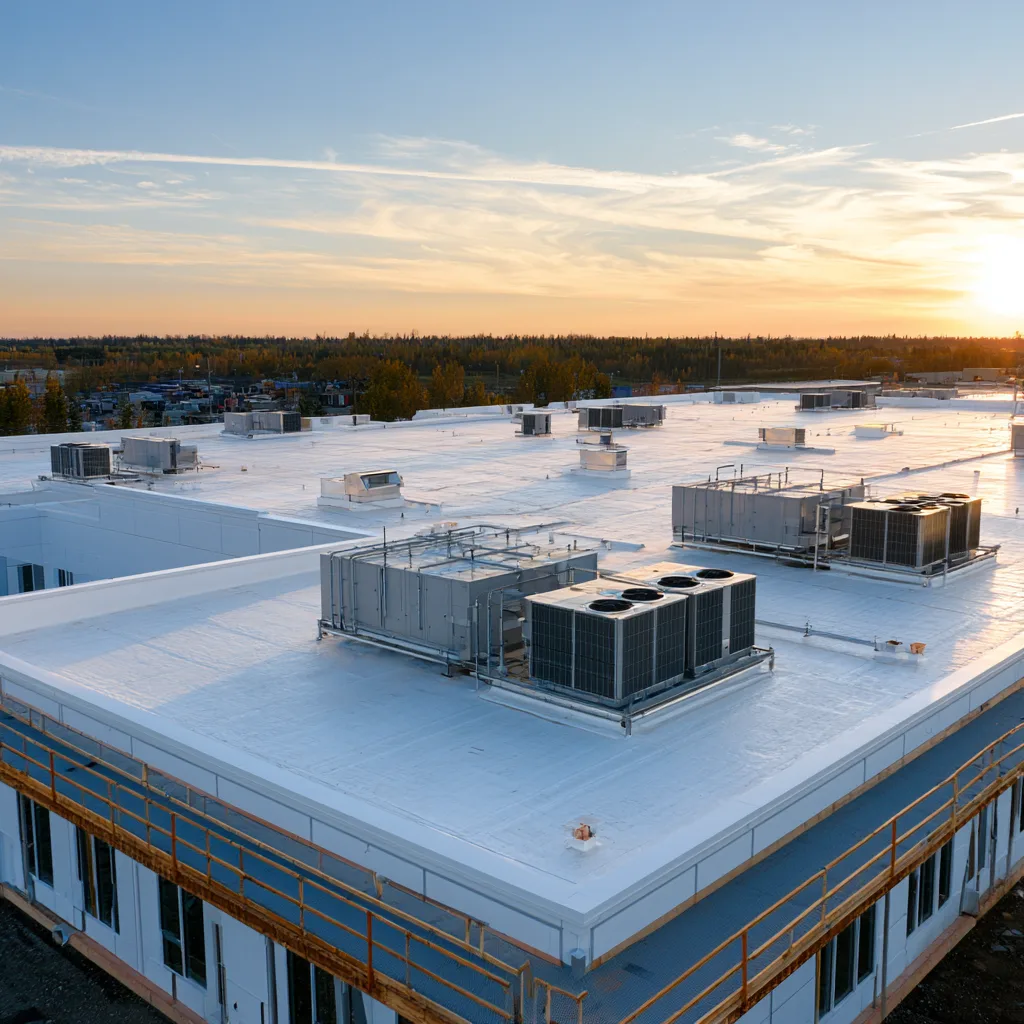
Renew affected layers, attachment and drainage with the membrane.
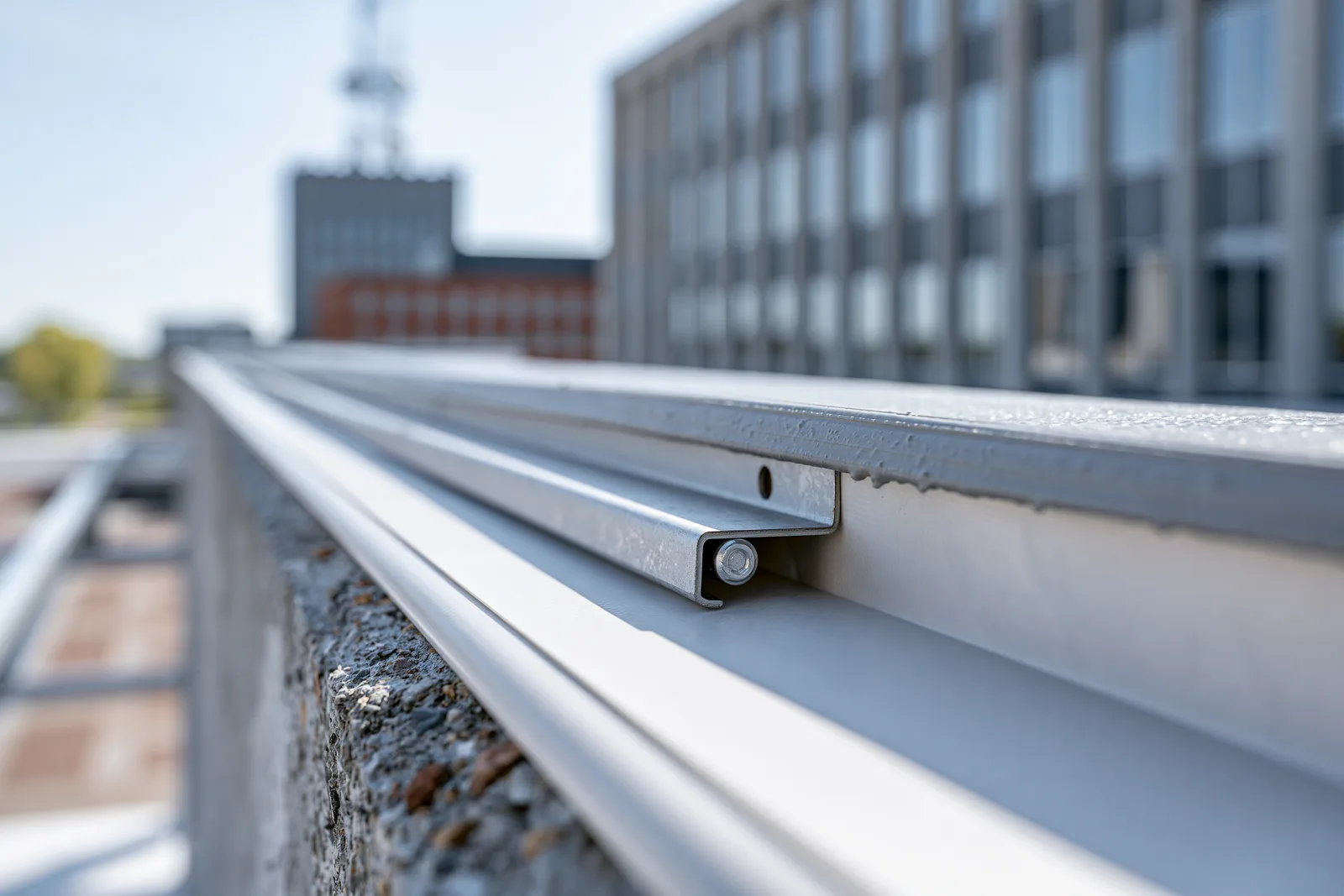
Understand welded seams and the details of a TPO roof system.
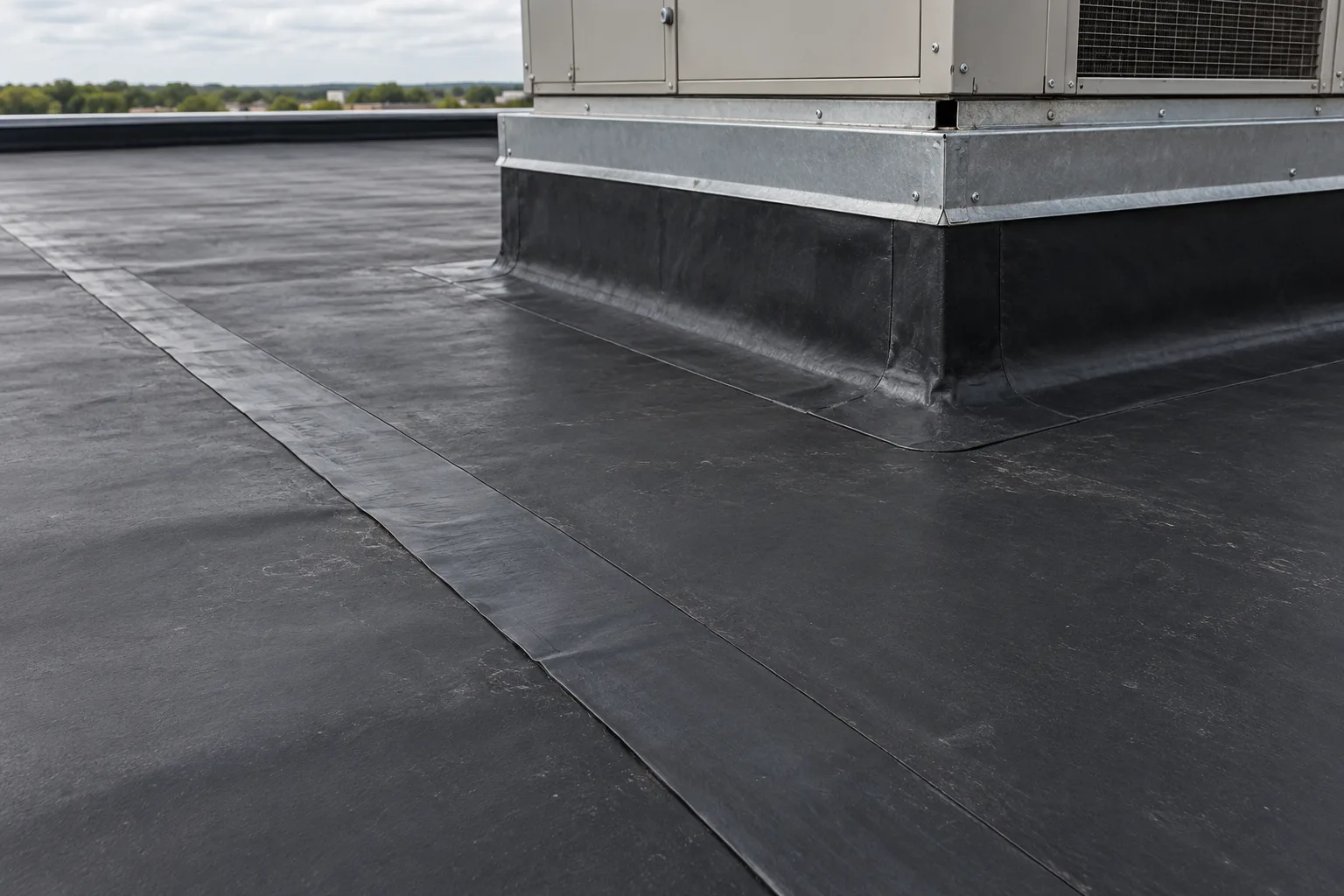
Plan compatible repairs and taped splice work for rubber roofing.
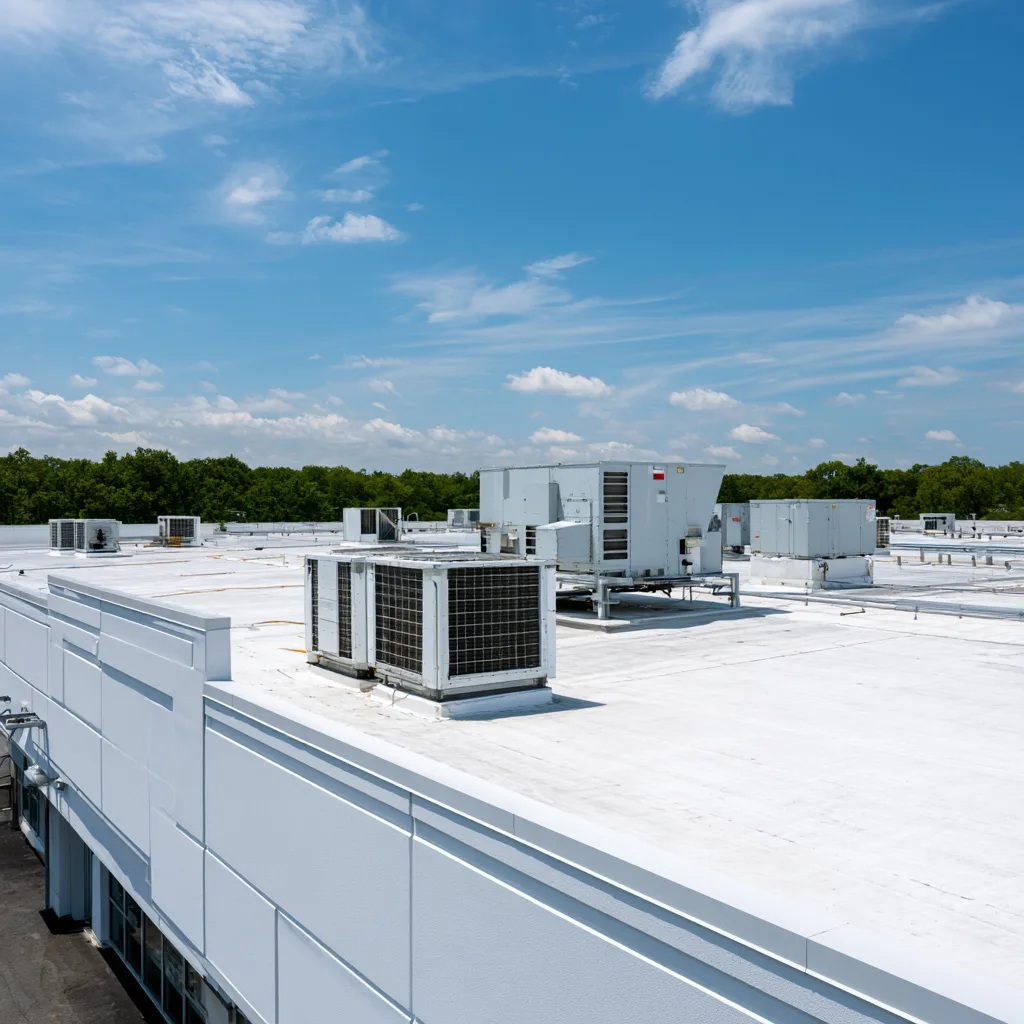
Match membrane chemistry and welded details to the building.
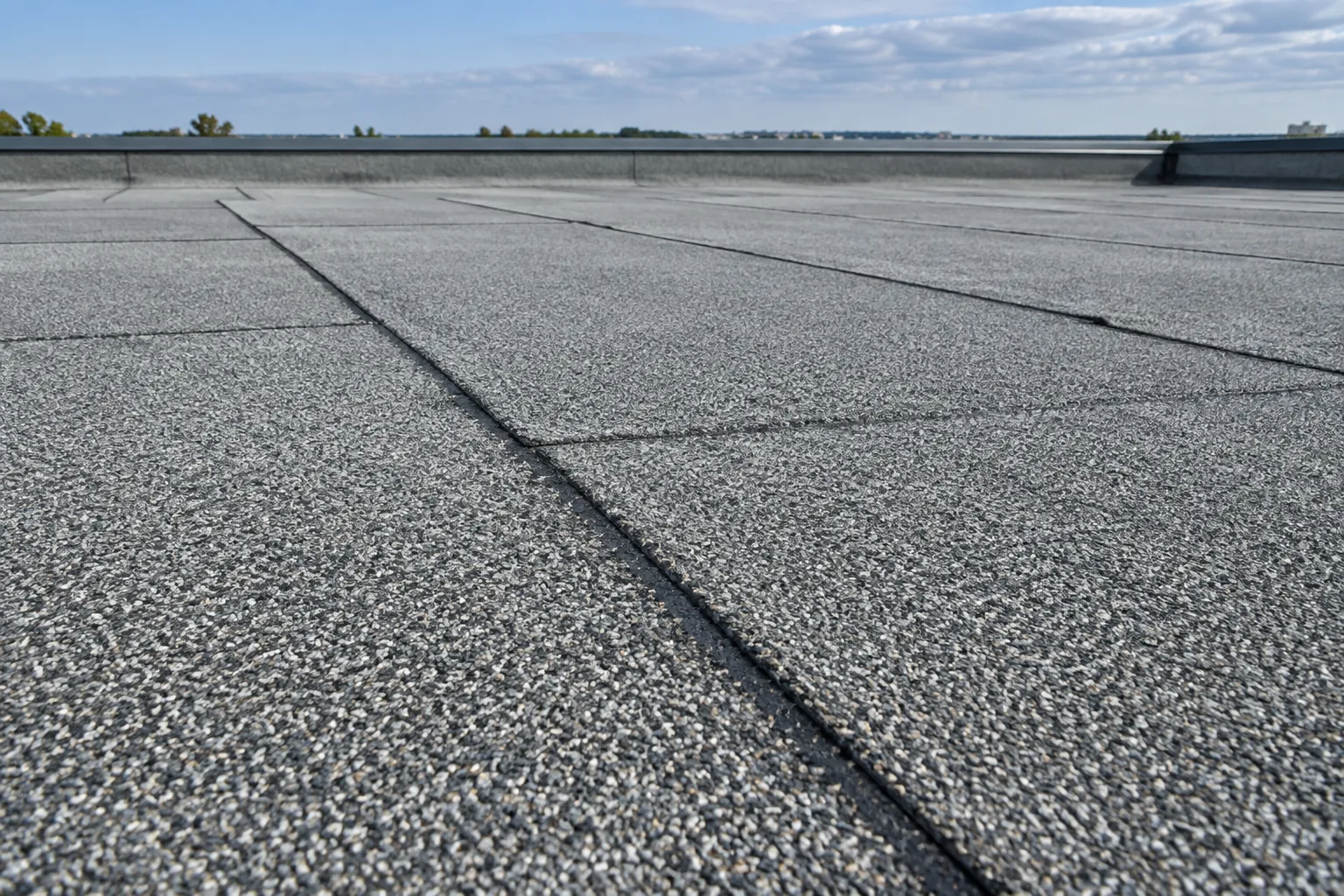
Understand reinforced sheet layers, laps and attachment options.
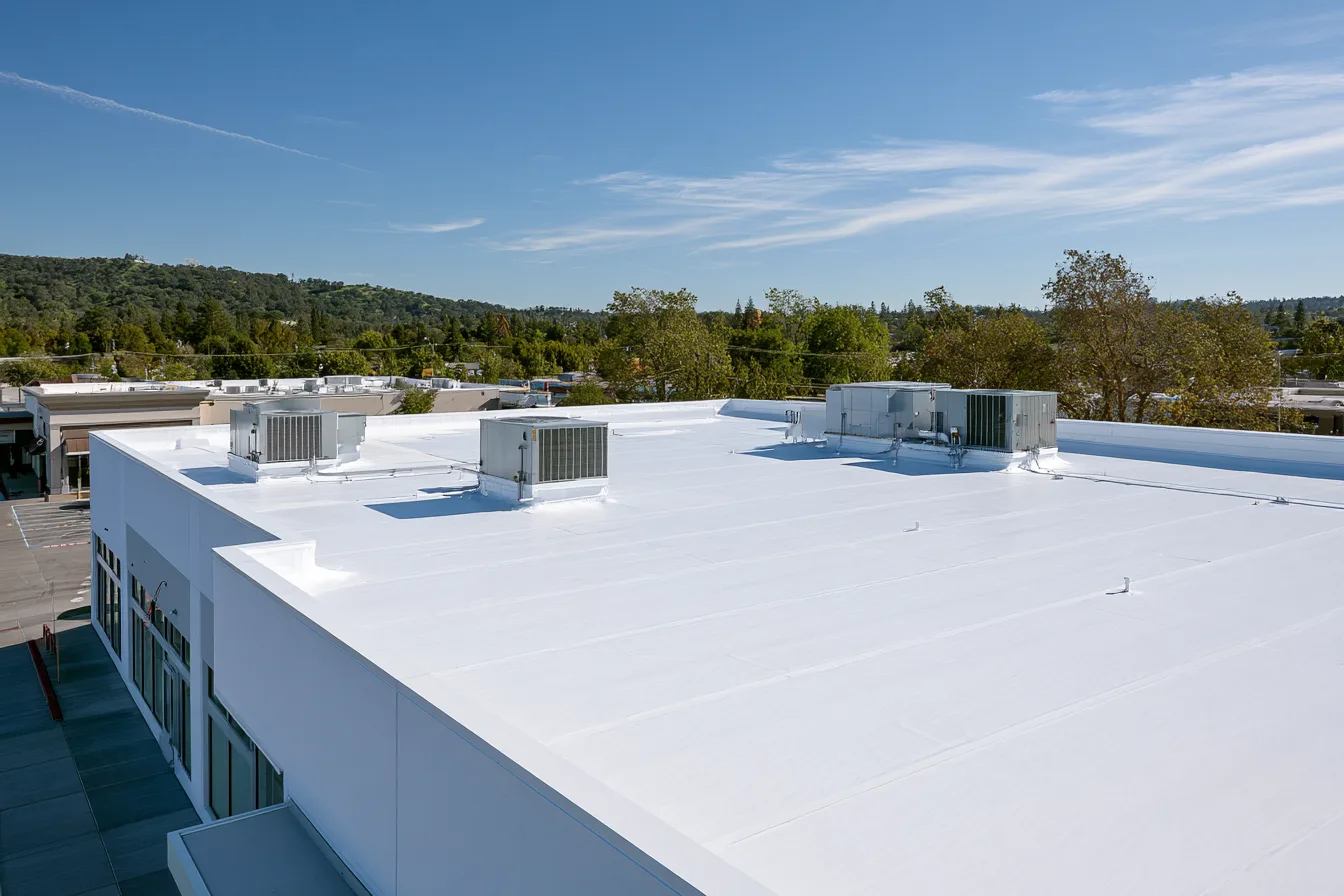
Evaluate a compatible restoration system on a suitable existing roof.
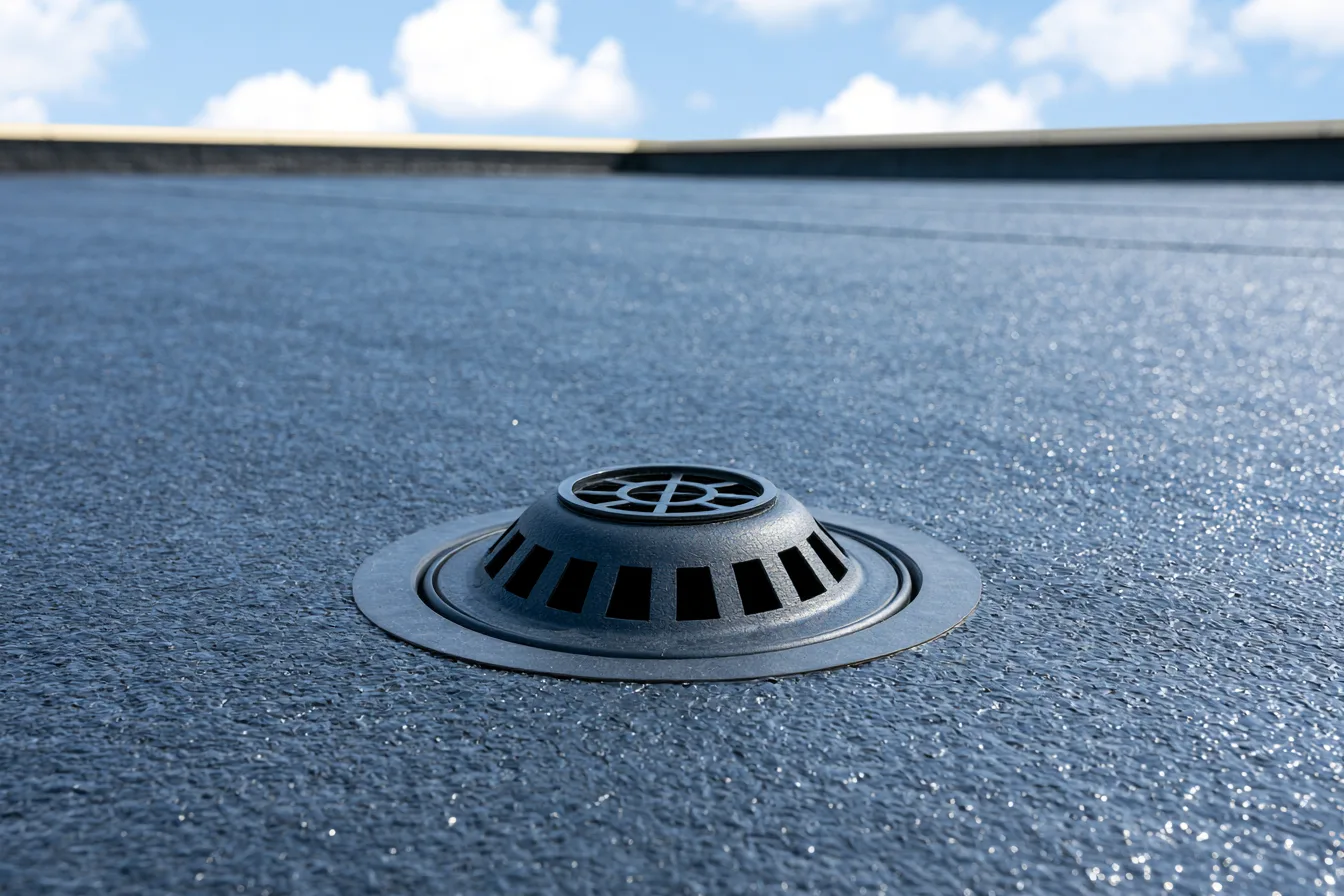
Keep drainage, details and roof information useful over time.
The right service follows the roof problem. Repair corrects a defined defect and reconnects it to sound materials. Replacement renews a larger roof area when the covering, its support or the connections around a repair no longer make that focused work sensible. An inspection helps establish which condition is actually there.
We also help with the details that make roofing work complete: wall and chimney flashing, vent openings, roof edges, gutters and skylights. Those parts manage water at the interruptions and boundaries of the roof, so treating them as unrelated finishing touches can leave the original problem unresolved.
For commercial properties, the system and the building’s operation lead the discussion. A membrane repair, a restoration coating and a full low-slope replacement solve different problems. The choice needs to fit what is above and below the roof surface.
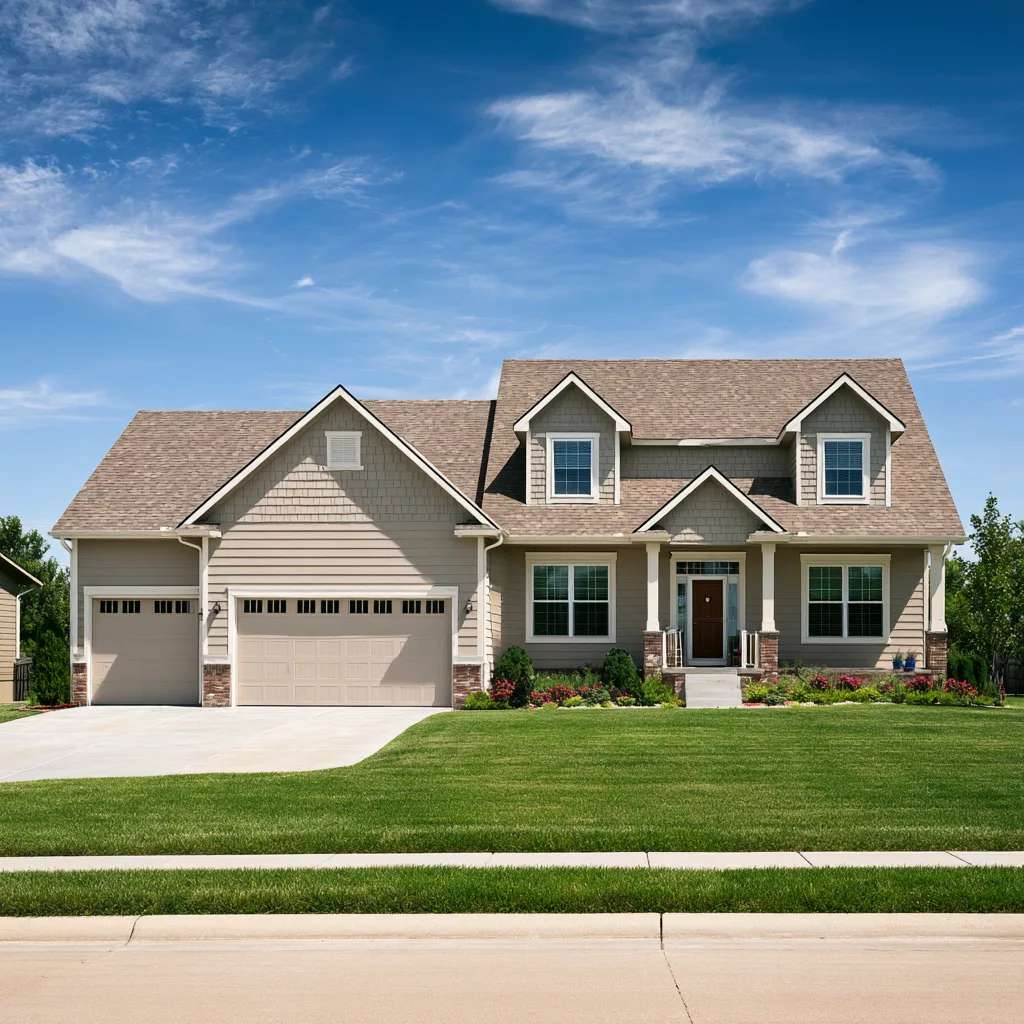
A repair can replace damaged shingles, correct a vent boot or rebuild a failed flashing detail. The surrounding material must remain workable, the replacement must fit the roof system and the work must connect to sound decking and water-shedding layers.
When deterioration reaches across a slope or the surrounding roof cannot accept a sound repair, the options widen.
Roof repair optionsReplacement can remove old covering, expose and correct the deck, renew water-control layers and integrate new covering with edges and flashings. The material choice is one part of that system.
Known work and concealed deck repairs need to be understood separately so the project does not stop at the shingle selection.
Roof replacement scopeA free inspection includes a roofer walking the roof when safe access is possible. That view helps examine covering, edges, flashings and penetrations that are difficult to judge from the ground.
An inspection supports the roofing decision. Insurance coverage and the date a defect occurred are separate questions.
Free roof inspectionsA water stain tells you where the leak reached the room. It does not always locate the opening in the roof. Storm damage can also leave several different defects, so the work starts with what has actually changed.
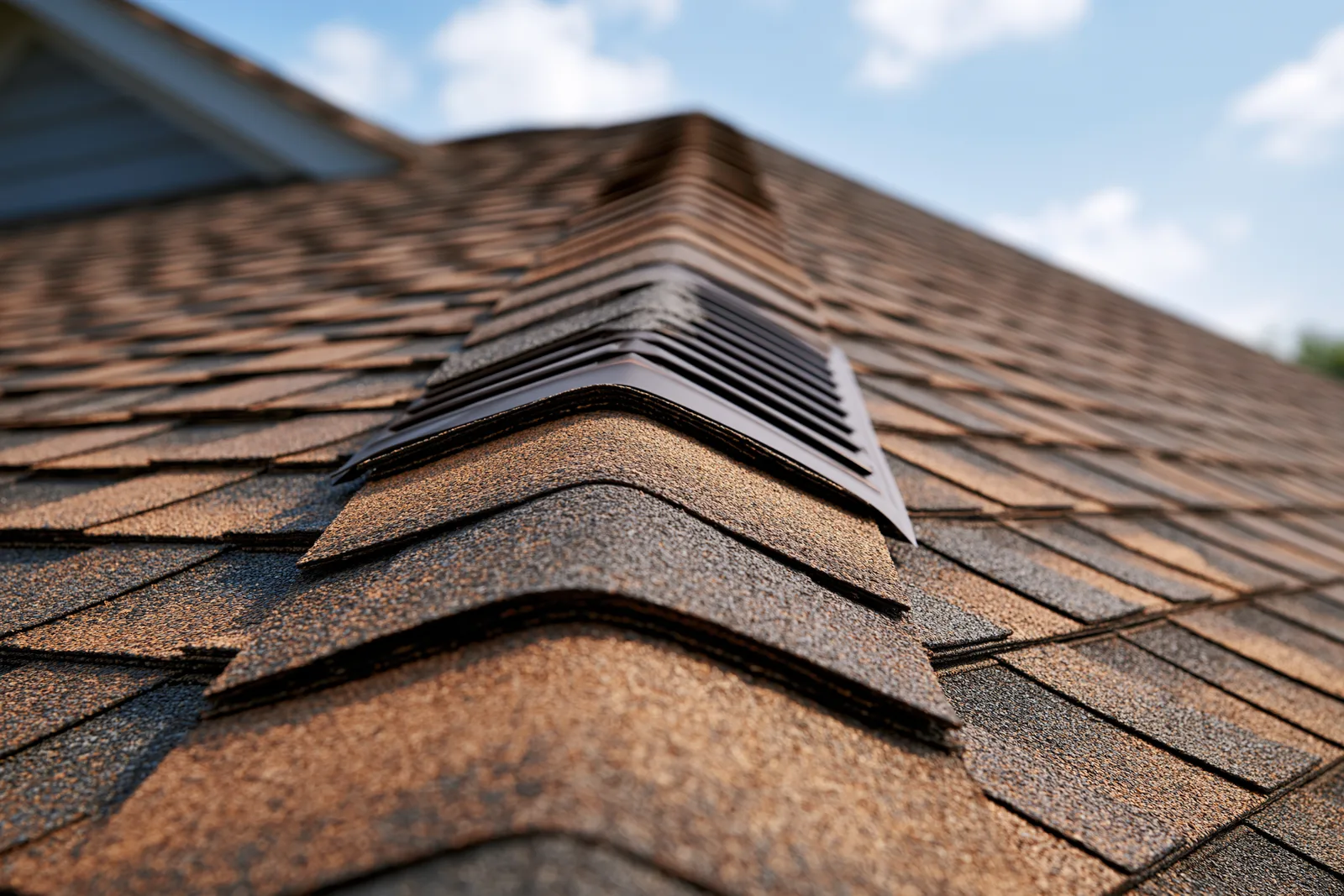
Trace the likely water path and address the failed opening, including the covering, flashing or underlying layers needed for a sound repair.
Explore this service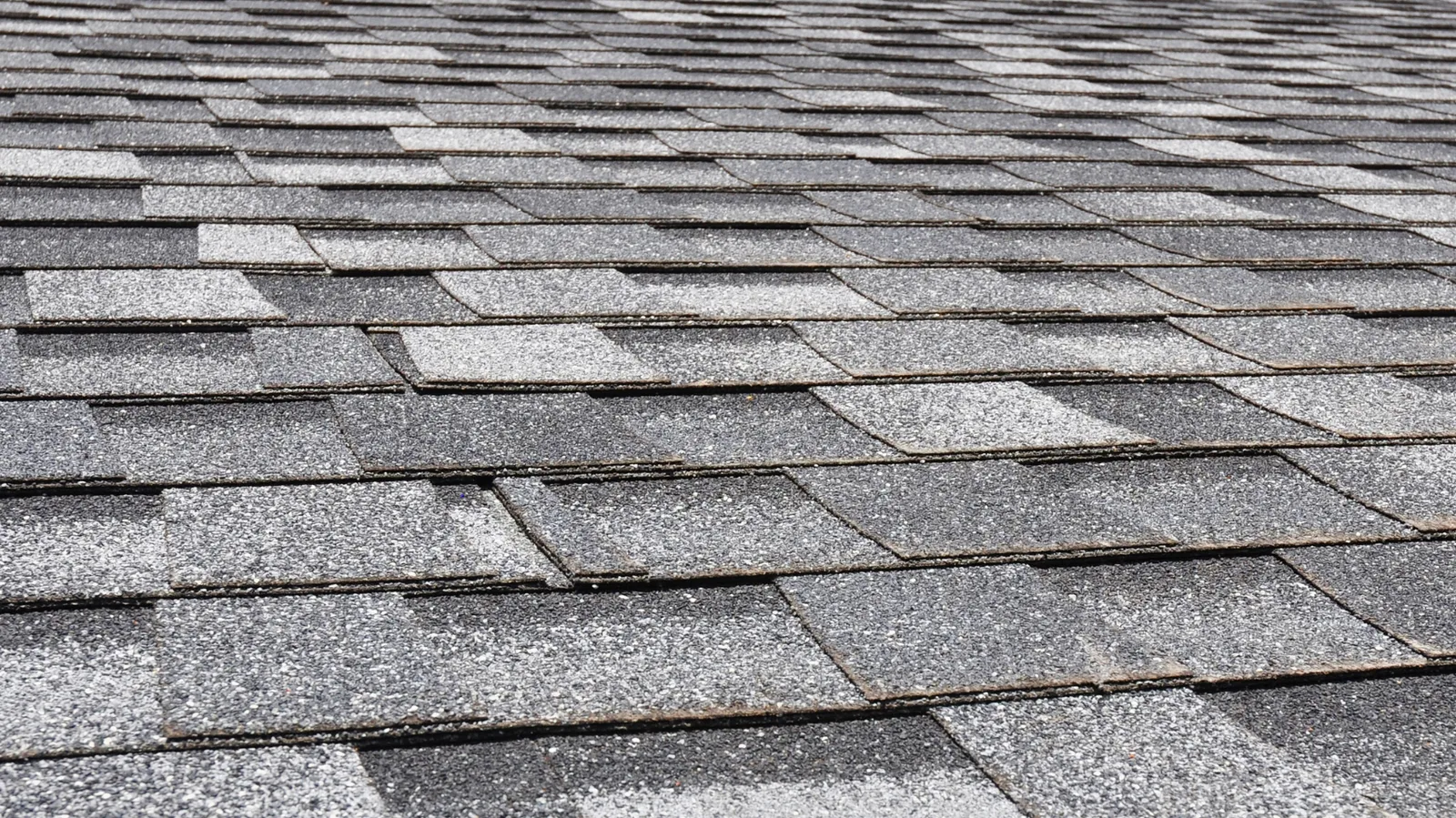
When water is entering now, separate immediate safety and temporary weather protection from the permanent repair. Tell us the urgency when you call.
Explore this service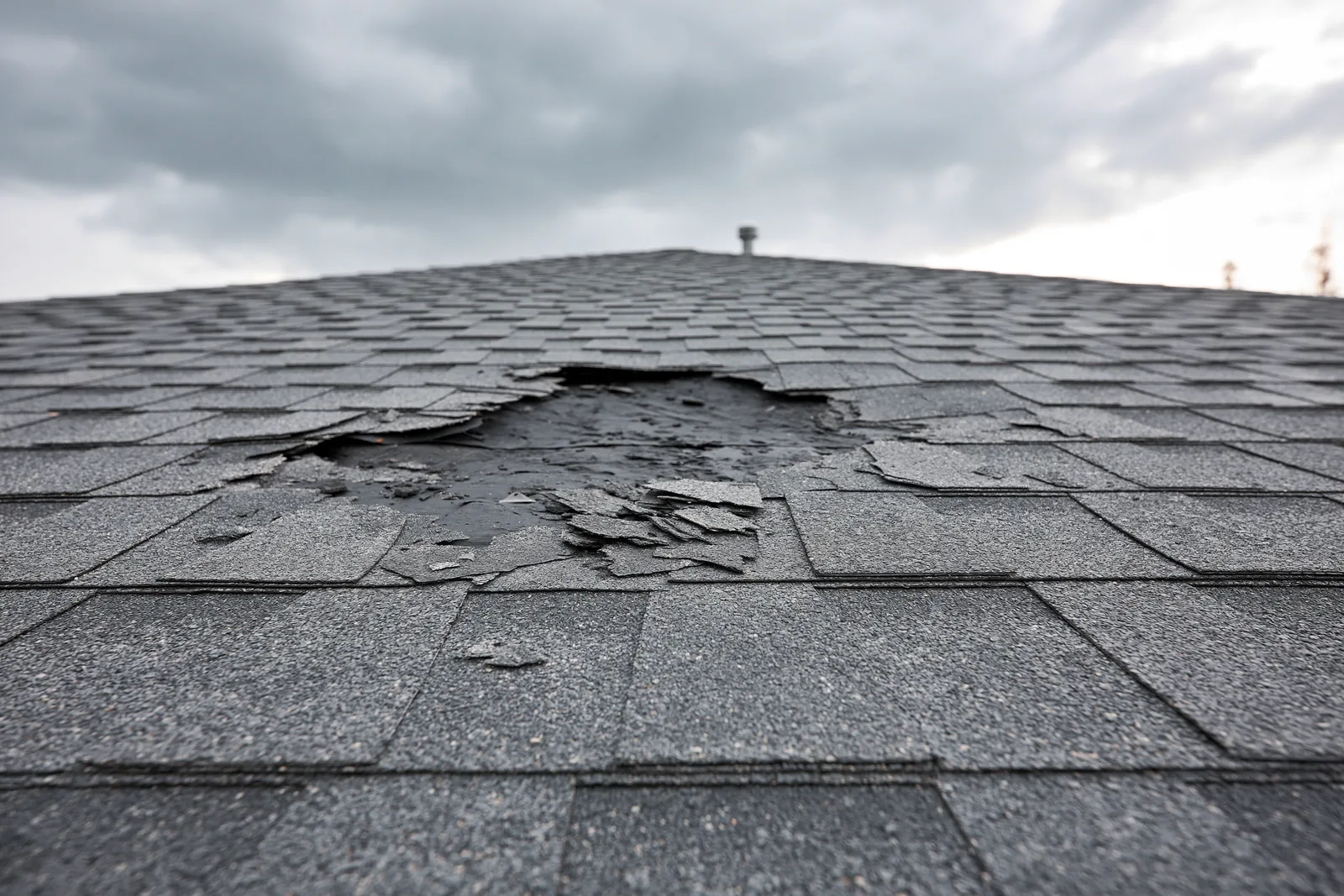
Assess wind, hail and damaged details on the actual roof. A storm report can supply context, but it does not prove damage at an address.
Explore this service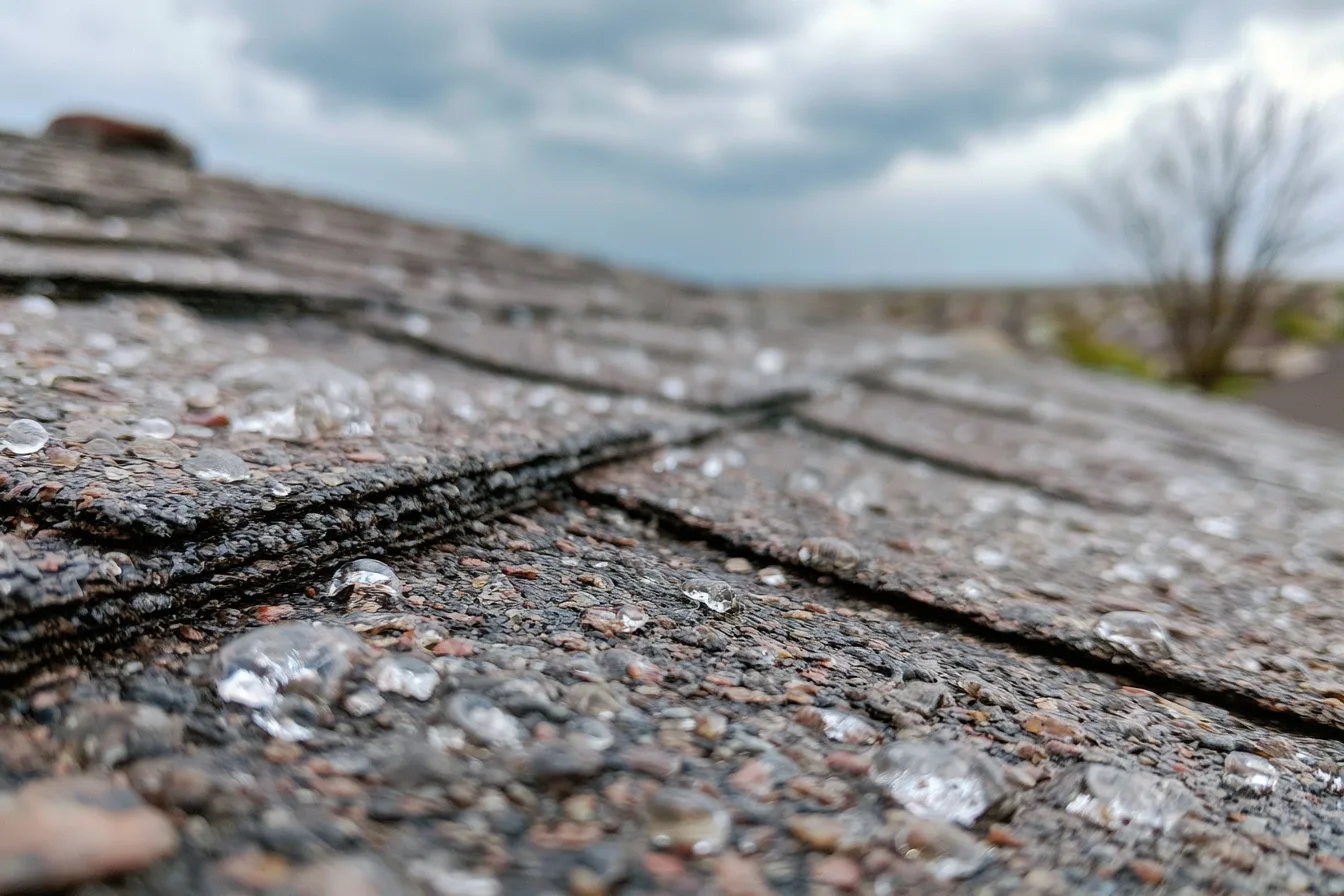
Evaluate affected shingles and other roof components. The repair scope depends on the damage and the condition of the surrounding roof.
Explore this service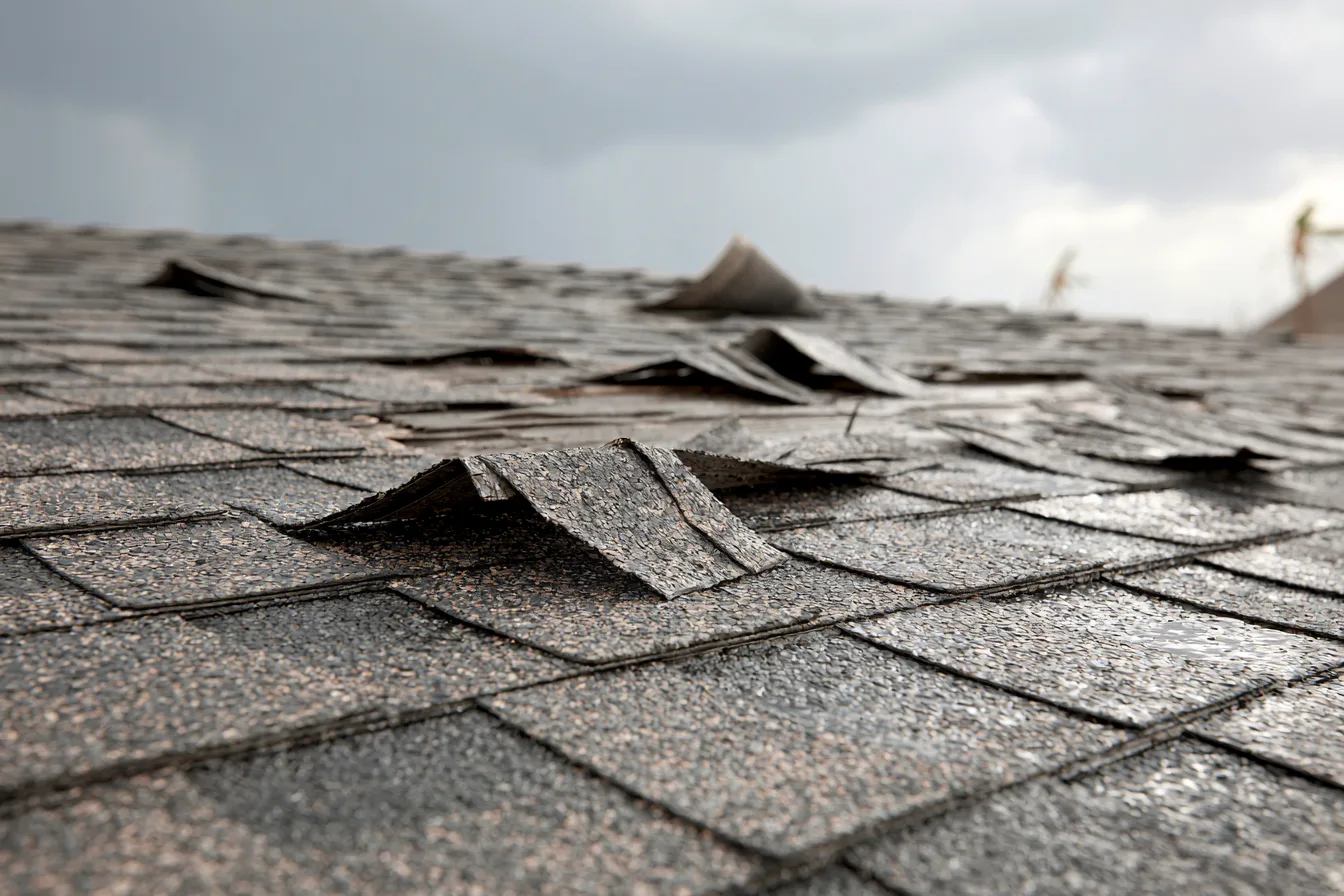
Address lifted or missing roofing and disturbed edges or flashings with compatible materials and sound attachment.
Explore this service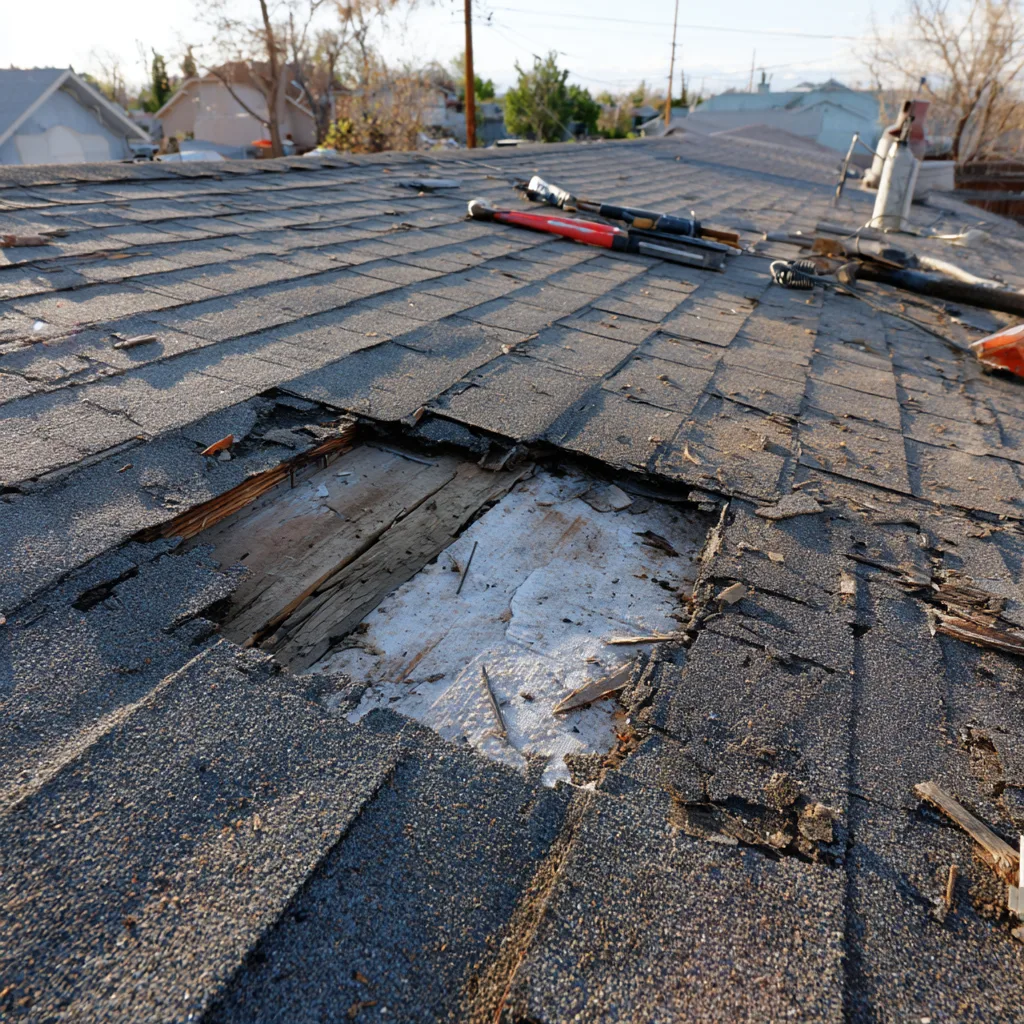
Restore the water-shedding connections at walls, chimneys, pipes and skylights, including the adjoining layers needed to reach them.
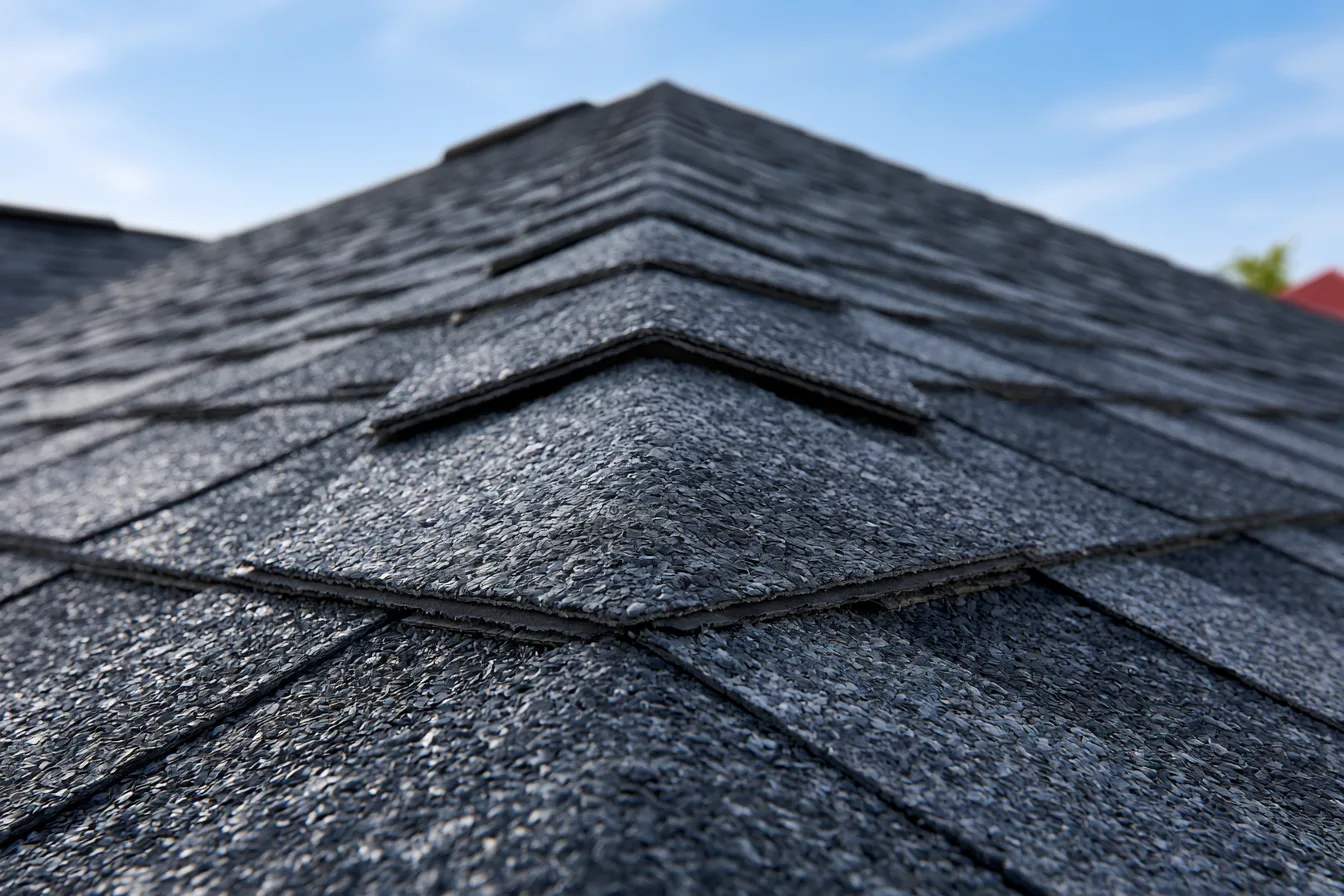
Explore this serviceAsphalt shingles and metal panels need different attachment and flashing details. Architectural shingles offer a layered appearance; impact-tested products add a separate performance question. Metal systems vary between standing seams and exposed fasteners, with movement and penetrations built into their detailing.
At the edge of the house, gutters collect runoff and downspouts carry it away. Loose attachment, leaking joints, blocked outlets and damaged fascia are different repairs. A skylight adds another roof opening, where the condition of the unit and the surrounding flashing need separate attention.
Explore shingle roofing and metal roofing for the covering choices. The roof-edge guides explain gutters and soffit and fascia repairs. For water near a roof window, start with skylight repair.
Commercial work starts with the existing roof system and the condition of the layers beneath it. Each option has a distinct job.
A compatible patch, seam repair or flashing correction can address a localized problem when the surrounding roof and support remain sound. Water in insulation or widespread deterioration changes the work.
Flat roof repairCoatings need a compatible, prepared and suitable roof. Surface restoration cannot dry wet insulation, repair failed decking or solve a drainage-design problem by itself.
Roof coatingsReplacement can address affected layers, attachment, insulation and drainage as well as the membrane. Access, equipment, tenant entrances and deliveries belong in the project planning.
Flat roof replacementDrainage paths, flashings, seams and traffic around equipment need attention over time. Maintenance addresses developing defects and keeps useful roof information together; it does not renew a failed roof.
Commercial roof maintenanceTell us where the property is and what you noticed. A leak location, damaged shingles or a planned replacement is enough to begin; no roof diagnosis is needed from you.
A free roof walk gives a closer view of the covering and details when access is safe. The condition of adjoining materials and connections helps define the options.
Repair and replacement need to explain the affected area, materials and connections. Concealed deck damage, access and existing layers can change the job beyond its visible surface.
The actual roof and agreed work guide the project. Product and installation coverage, timing and any additional work belong with that specific agreement.
Start with roof leak repair or request an inspection. Tell us where water appears and roughly when you first noticed it. We follow the likely water path and examine the roofing details; you do not need to identify the failed part.
Read more about roof leak repair.
No. A defined damaged area can be repairable when compatible materials and sound connections remain around it. Wider damage or deterioration can change that choice. Neither a storm date nor roof age alone establishes replacement scope.
Yes. Flashings manage roof-to-wall and roof-opening connections, while gutters manage runoff at the edge. Their failures can look similar from inside the house, but the repair needs to address the actual path of water.
Yes. The building’s system, moisture condition and drainage shape the options. Tell us about the building use and any rooftop equipment or access constraints.
The commercial roofing page explains the repair, restoration and replacement decisions.
The cost guide gives a defined architectural-asphalt scenario for measured roof area in the Kansas City metro. It also explains which conditions need property-specific pricing.
Use the roof cost calculator to explore that scenario.
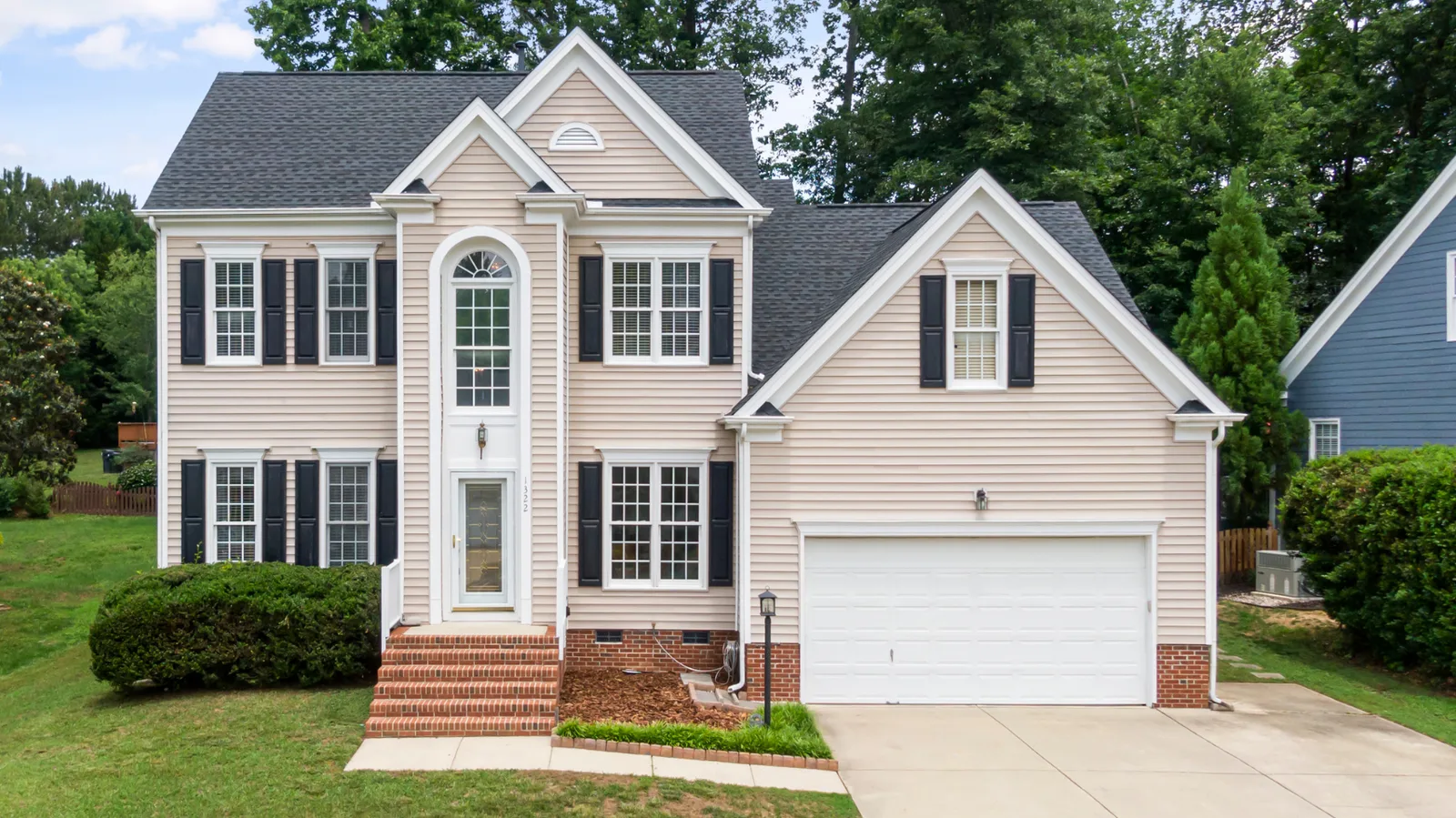
You can start with a simple description: where the roof is, what you noticed and what you would like help with. We will help you work through the roofing question from there.
(913) 354-3947