The covering and raised roof lines
Shingles, panels and ridge or hip coverings shed water over the slopes. Damage, movement, attachment and the condition of adjoining material help determine whether local work can make a sound connection.
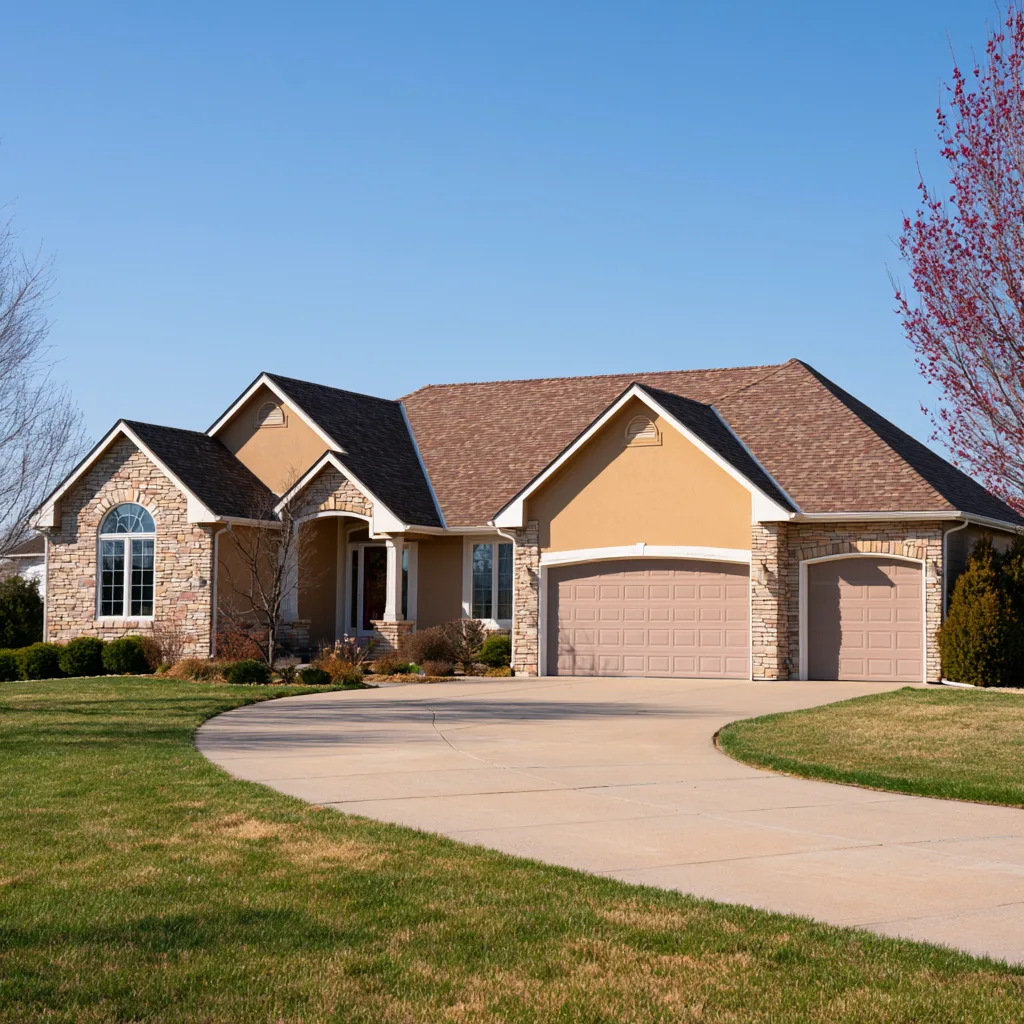
You do not need to know whether the roof needs a repair or replacement before asking for help. The roof inspection is free, and a roofer walks the roof for a closer look at its covering and details. Tell us what has changed or what you are considering for your Shawnee property.
Free roof inspections. A roofer walks the roof and helps explain the work it needs.
A roof can look fairly uniform from the driveway while its details tell a different story. The collar around a pipe, the flashing beside a wall and the fastening at a damaged shingle are easier to assess up close. A roof walk lets the roofer examine those connections along with the covering around them.
The inspection helps separate a defined defect from conditions that extend beyond it. A damaged boot with sound adjoining roof raises a different repair question from brittle covering across a slope or wood affected by a long-running leak. Sound areas matter in that decision too.
Safe access and the roof’s conditions govern the walk. If a concern involves concealed layers or a cause that cannot be settled from the surface, it needs the appropriate further investigation. One look at the covering cannot answer every question below it.
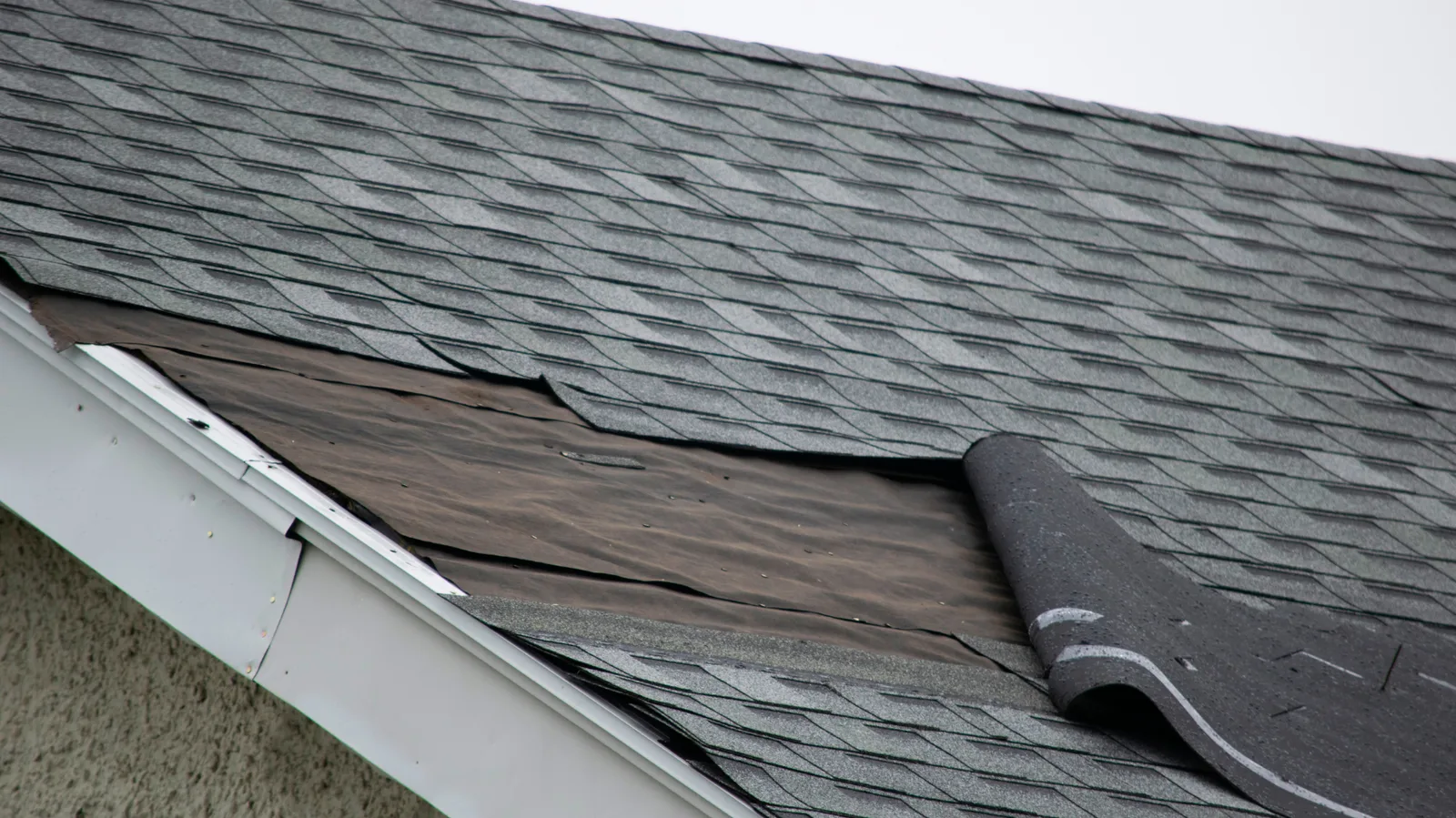
The useful inspection connects what is seen to the job each roof part performs. These are related subjects, rather than a single pass-or-fail verdict based on age.
Shingles, panels and ridge or hip coverings shed water over the slopes. Damage, movement, attachment and the condition of adjoining material help determine whether local work can make a sound connection.
Pipes, skylights, walls and chimneys need flashings that connect the covering around their openings. A failed collar, lifted metal or a poor roof-to-wall connection can create a leak even when the nearby shingles are serviceable.
Edges, valleys, gutters and drainage outlets help move water off the roof. Their connections and condition affect where water goes. A blocked water route and an opening through the covering call for different work.
The owner supplies the concern; the roofing assessment carries the diagnosis. You can start with a leak, a replacement you are considering or simply a roof condition you want understood.
Share the property location and what you have already noticed. A room with a stain, shingles found in the yard, a known storm date or previous roofing work gives the roofer useful context without asking you to inspect the roof yourself.
The roof walk examines the covering and relevant details around the concern. The condition of surrounding material and connections helps define whether a local repair is workable or more of the roof needs attention.
Findings lead to a conversation about needed repairs, a wider reroof or sound material that can remain in service. Material choices and underlying work are explained where they change the decision. Additional investigation is separated from what the surface alone establishes.
After a storm, an inspection examines present roof condition. The event date, property history and actual weather evidence can help explain when damage occurred, but a nearby hail report does not establish damage to the house. Insurance coverage remains the insurer’s policy-based decision.
Before replacement, a roof inspection helps identify the covering, details and known conditions that belong in the project discussion. Deck condition exposed during tear-off can still change the work. The aim is to understand the roof, not to turn an installation date into a fixed replacement deadline.
The repair or replacement decision needs the actual connections and wider roof condition considered together. Sound material stays part of the answer rather than being ignored because another area needs work.
Yes. Free roof inspections are available, and a roofer walks the roof when conditions allow safe access. Tell us where the property is and the roofing concern you want looked at.
No. Share the information you already have, but you do not need roof records to ask for help. The actual covering and its condition are part of the roofing assessment.
No. Roofing findings explain roof condition and the work involved. Coverage depends on the policy, cause of loss and insurer’s handling of the claim. The roof insurance guide explains how those questions fit together.
Yes. Age is context, not a diagnosis. The covering, deck, flashing and repair connections determine present options. A sound roof does not need to be treated as failed simply because it reaches a birthday.
Yes. Tell us about the building, the concern and any access or operating restrictions. Commercial roofing has different system, drainage and occupied-building considerations from a house roof.
Tell us what you have noticed or what you are planning. We can start with a free roof inspection and a useful conversation about the work your roof needs.
(913) 354-3947