What testing adds
IBHS tests retail shingles with realistic hail impacts and evaluates damage such as dents, tears and granule loss. Its product-specific results make a more useful comparison than assuming all “impact-resistant” labels are equal.
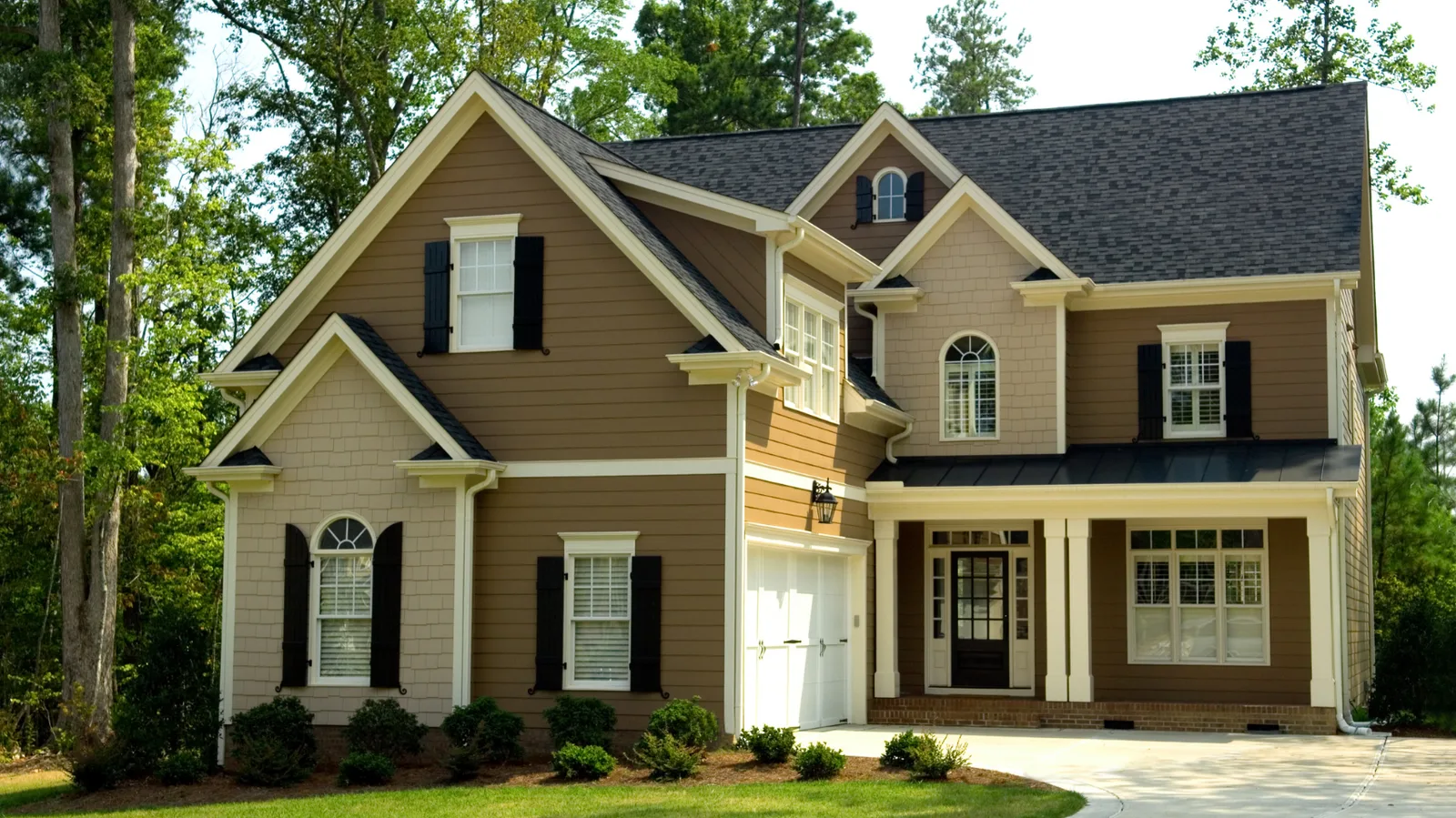
Compare shingle construction, appearance and impact testing, with practical repair and replacement implications.
Free roof inspections. A roofer walks the roof and helps explain the work it needs.
Shingle type describes more than the color on the roof. Three-tab, architectural and designer products differ in construction and appearance. Impact testing adds another distinction that can apply to specific products, rather than a separate roof shape.
For repair, compatibility with the existing roof comes first. For replacement, the choices include appearance, the roof assembly and the actual product’s tested performance and warranty terms.
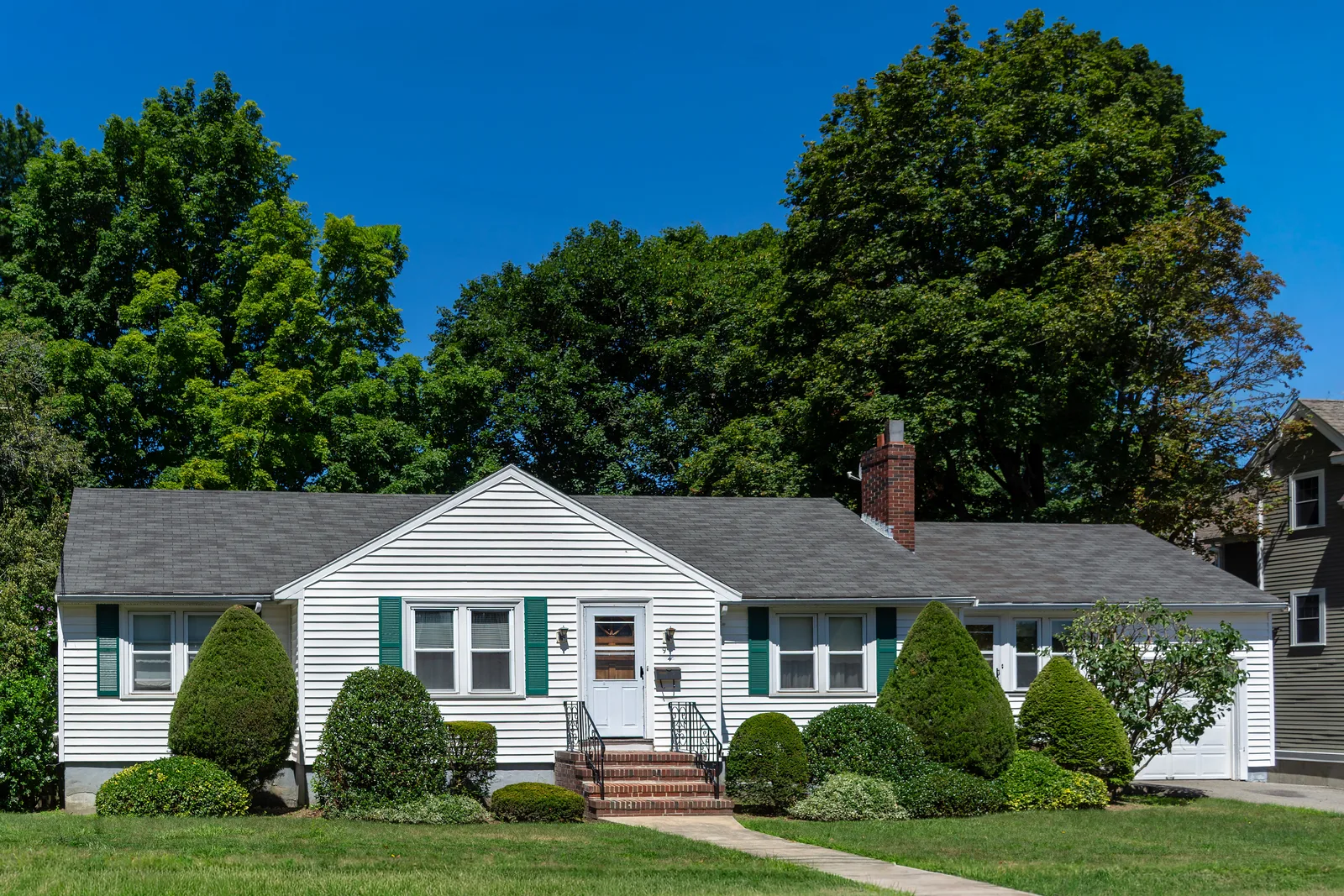
Descriptions can overlap: an architectural shingle can also be impact-tested. The label needs to identify the actual product rather than imply that every shingle in a broad category performs alike.
| Shingle description | What it means | Useful roofing question |
|---|---|---|
| Three-tab | A shingle with cutouts that form a flatter repeating pattern. | Does compatible material fit the existing roof, and can the adjoining shingles accept repair? |
| Architectural | A laminated product with a layered, dimensional appearance. | Which profile and color suit the house, and what does the complete installation include? |
| Designer or specialty | A product selected for a particular profile, thickness or appearance. | What support, installation details and actual product terms apply? |
| Impact-tested | A specific product has been tested under a stated impact method. | Which product and test result are being compared, and what are the limits of that test? |
See the current IBHS impact-resistant shingle ratings for the named products and testing basis.
IBHS tests retail shingles with realistic hail impacts and evaluates damage such as dents, tears and granule loss. Its product-specific results make a more useful comparison than assuming all “impact-resistant” labels are equal.
A result is not a hail-proof roof or a promise about the next storm. Installation, roof assembly, actual impacts and the product’s own limits still matter. Insurance acceptance and warranty coverage are separate decisions.
A shingle repair needs material that fits the existing system and can join sound surrounding roofing. Even a compatible new product can look different from weathered shingles. Availability, dimensions and the condition of neighboring shingles can limit the repair choices.
Replacement opens a broader material and color choice, but it also renews a system of deck, underlayment, flashing, edges and ventilation. The chosen covering needs the correct roof slope, support and attachment rather than being selected as a surface alone.
The asphalt shingle roofing service connects those choices with installation and repair.
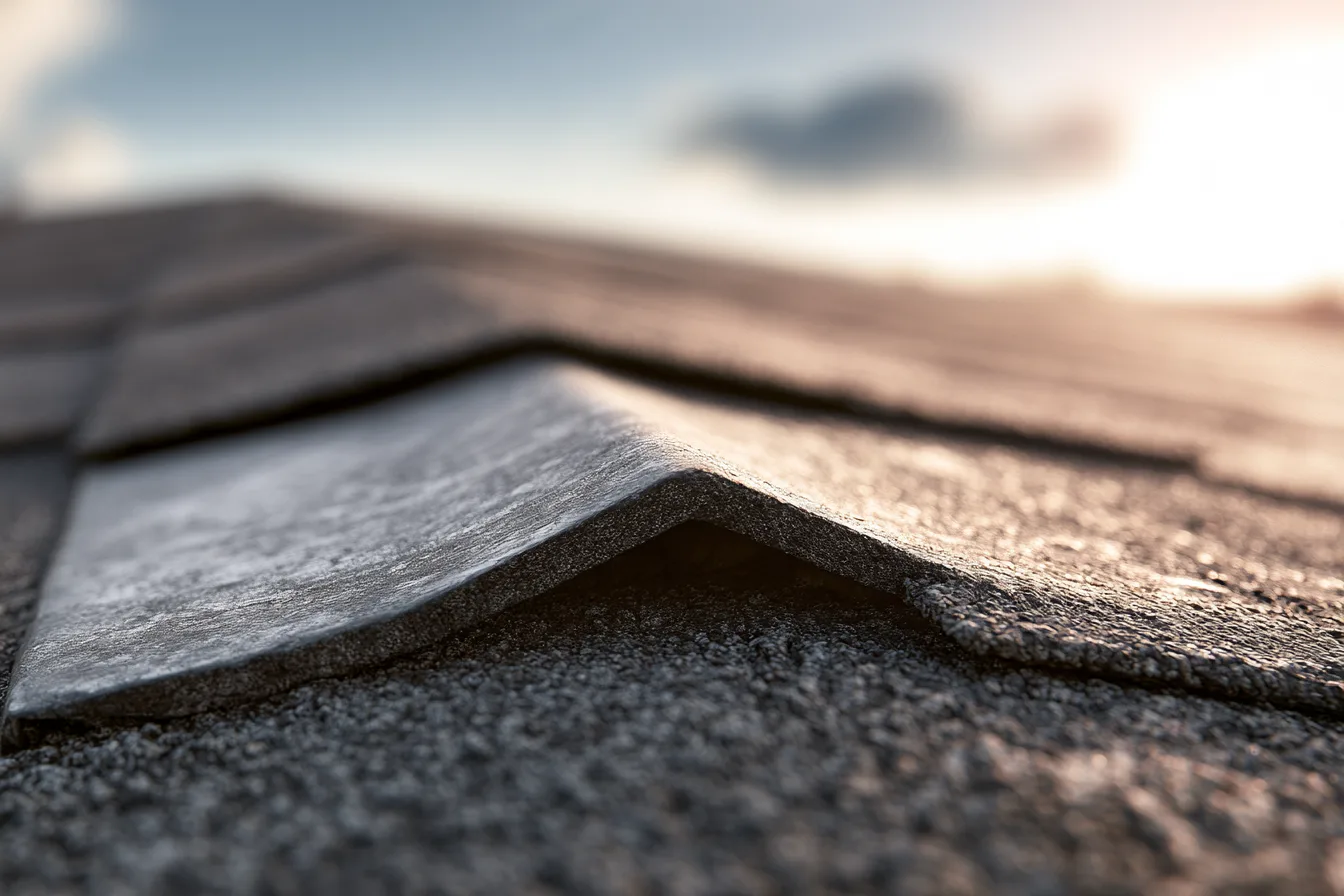
No. Architectural describes a laminated construction and appearance. Impact testing concerns a particular product’s response under the stated test. Some architectural products are impact-tested, but the words do not mean the same thing.
No. Testing helps compare product performance, with limits. It does not guarantee the installed roof against every hail size, angle or storm, and it does not establish an insurance or warranty outcome.
A new shingle can look different from weathered material, even when it is compatible. Product availability and manufacturing changes affect matching. Correct fit and sound repair connections come before a promise about appearance.
No. Damaged deck, unsuitable underlayment or failed flashing needs its own correction. The covering relies on those connected parts of the roof.
Tell us whether you are repairing an existing roof or planning a replacement. A free inspection helps connect the shingle choices with the actual roof.
(913) 354-3947