A defined trim or panel repair
A damaged section can be repaired or replaced where adjoining material and backing remain sound. The selected finish and its fastening need to suit the existing edge, with joints and openings detailed appropriately.
Damaged boards along the roof edge need more than a fresh surface if water is still reaching them. We help Shawnee homeowners understand soffit and fascia repairs together with the roof-edge, gutter and ventilation connections around them.
Free roof inspections. A roofer walks the roof and helps explain the work it needs.
Fascia is the board or finish along the roof edge. Soffit covers the underside of the overhang, and in a vented attic it can include intake openings. They meet the roof and gutter at a part of the house where water needs to be directed outward and air needs its intended path.
Peeling finish, a separated panel or deteriorated wood can have different causes and depths of damage. Runoff behind a gutter or a failed roof-edge connection can keep wetting material even after the visible board is replaced. The repair needs the source of that water considered with the damaged finish.
Where gutter attachment depends on the backing behind the fascia, its condition also matters. New trim is not sound support for a gutter if deteriorated material remains behind it. The work follows the actual layers and connections found.
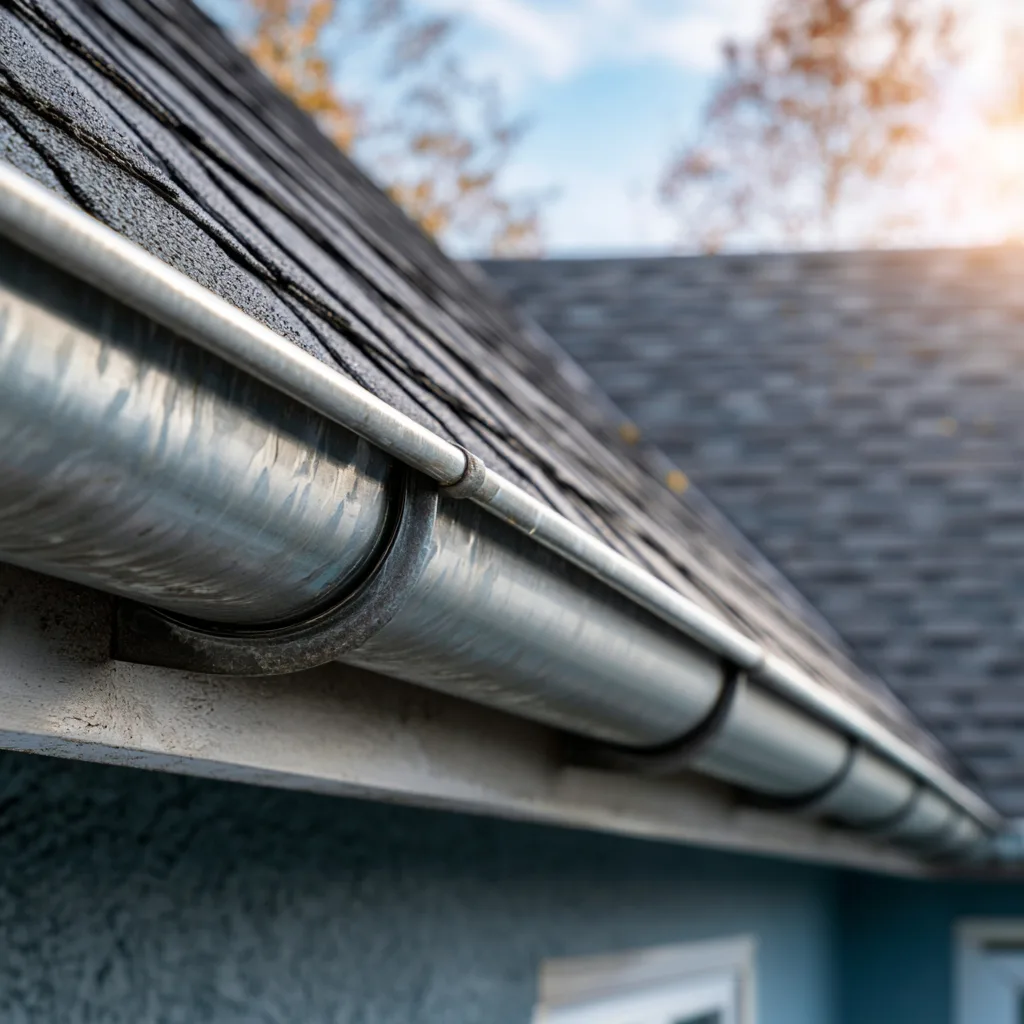
The roof edge can need a local finish repair, a wider backing repair or a water-control correction. Those are different jobs even when they begin with the same damaged-looking section.
A damaged section can be repaired or replaced where adjoining material and backing remain sound. The selected finish and its fastening need to suit the existing edge, with joints and openings detailed appropriately.
If water has affected the support behind the visible finish, the work extends into those layers. Gutter attachment and roof-edge support need to be rebuilt on sound material rather than covered with a new face board.
A gutter or drip-edge problem can send water behind the edge, while blocked soffit intake can interrupt a vented attic’s air path. The appropriate gutter work and roof details need to be coordinated with the trim repair.
The aim is a repaired edge that sheds water correctly and preserves the air openings the roof assembly is meant to have.
We examine the visible material along with the gutter, drip edge and adjoining roof. The work needs to identify how water is reaching the area rather than assuming every damaged board is only a finish issue.
The required finish and backing are repaired or replaced so attachment has a sound base. If opening the edge reveals more deterioration, those findings change the amount of work. Access height and how the roof and gutter connect also affect the project.
The roof edge and gutter are arranged to carry water into the intended route. Where soffit vents are part of the attic design, the repair preserves their openings and air path. Covering every opening with solid trim can work against that intended ventilation.
Fascia runs along the roof edge; soffit covers the underside of the overhang. Their materials and construction vary, and the soffit can include intake vents for a vented attic. The repair needs the actual edge construction identified.
The support needs to be sound first. Covering deteriorated wood does not repair it or establish proper gutter attachment. The cause of water exposure and the affected layers need to be included in the work.
Vents that form the intake path for a vented attic should not simply be covered over. Their condition and the surrounding roof-edge detail need to be addressed appropriately. Roof ventilation works as a connected intake and exhaust arrangement.
The length and height of the area, access, finish material, gutter removal or reattachment and the condition of backing all matter. Water damage extending behind the visible trim makes a different project from replacing one soundly supported panel.
Tell us where the edge is damaged and whether the gutter is overflowing or separating nearby. A closer look helps define the trim, backing and roof-detail work together.
(913) 354-3947